












Does Skin Look Tired After Summer? How to Restore It Effectively? in Warsaw

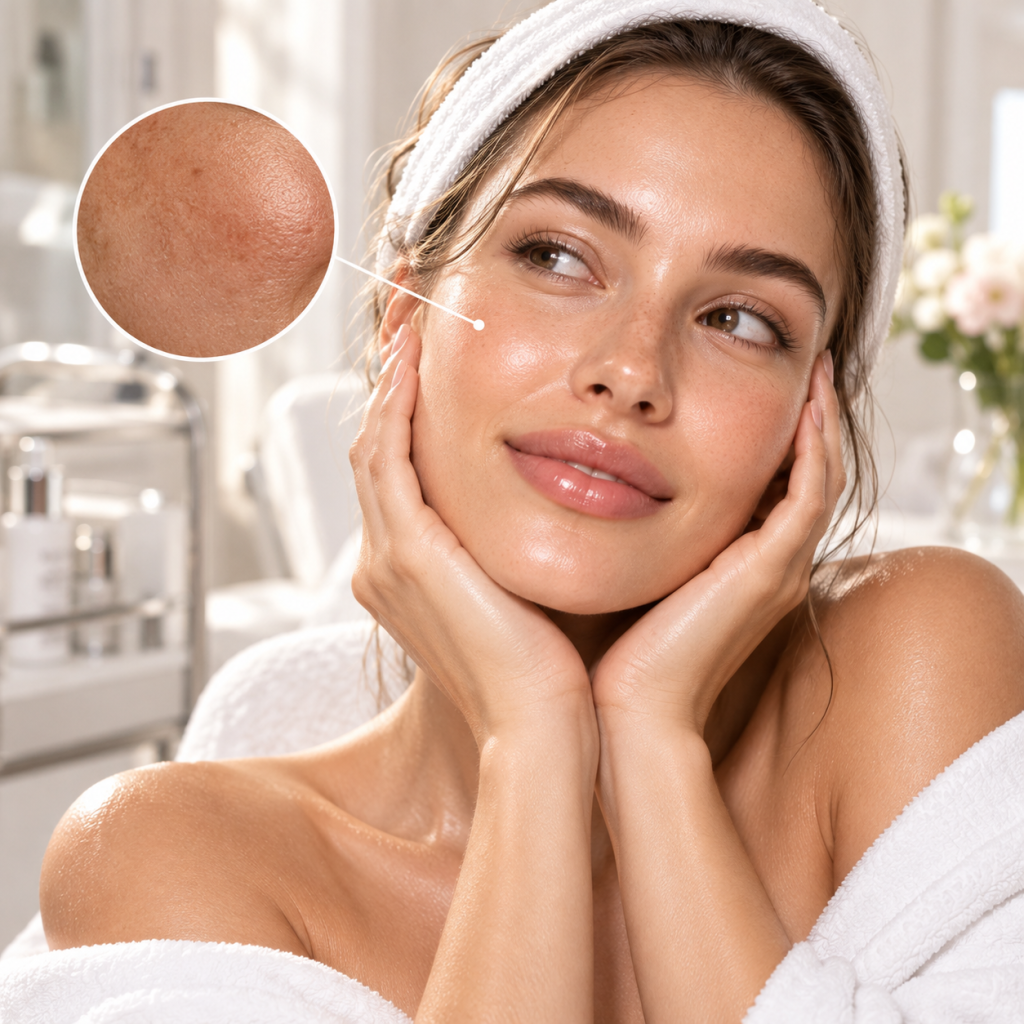
Summer is behind us, but instead of a rested, tanned look, does your skin suddenly feel dry, dull, and tired? This is a normal body reaction to months of increased stress — sun, heat, salty and chlorinated water, indoor air conditioning, and frequent temperature fluctuations.
The topic of skin regeneration after summer becomes especially relevant every year in September, when the first effects of summer become truly noticeable, and usual skincare products suddenly stop giving the same result as before. Find out why this happens, what mistakes to avoid, and how to effectively restore a healthy appearance to your skin — both at home and with the help of professional treatments at Laserhouse.
Why Does Skin Look Tired After Summer?
Ultraviolet radiation is the main culprit behind the condition of the skin after summer. UV rays penetrate into the deep layers of the skin and damage collagen-producing cells. Scientific studies published in PMC (PubMed Central) show: ultraviolet irradiation inhibits the TGF-β/Smad signaling pathway, which regulates the production of type I procollagen — the primary structural protein of the skin — and this is the key reason for premature photoaging. Put simply: the more sun exposure the skin gets over the summer, the less collagen it produces, and the faster signs of fatigue and sagging appear.
Additionally, the skin's hydrolipid barrier function — a thin protective layer that holds moisture and protects against external irritants — is weakened. Heat, indoor air conditioning, salty seawater, and chlorine in swimming pools dry out the skin and wash away natural lipids, causing it to lose its ability to retain moisture and become more vulnerable to irritation and external factors. That is why tired skin after vacation is a real physiological condition that requires a professional approach.
How to Recognize That Your Skin Needs Regeneration?
The most common signs that the skin needs regeneration are: increased dryness and roughness to the touch, loss of natural radiance and a dull, greyish complexion, the appearance or worsening of pigment spots, fine expression lines that were previously unnoticed, as well as a noticeable decline in firmness and elasticity when the skin returns to its original state more slowly after stretching.
What Mistakes Do We Most Often Make After Vacation?
Over-exfoliating the Skin
The desire to quickly "renew" the skin often drives people to use aggressive peels and scrubs immediately upon returning from vacation. This is a mistake: after summer, the skin is already weakened and dehydrated, and intensive mechanical or chemical exfoliation can further damage an already thin protective barrier, causing redness, tightness, heightened sensitivity, and even increased pigmentation instead of the expected improvement.
Skipping Daily SPF
One of the most common mistakes is stopping the use of sunscreen right after the summer season ends, when it seems that the sun is "no longer as active" and there is nothing to worry about. The American Academy of Dermatology explicitly recommends: sunscreen should be applied daily to exposed areas of skin if you plan to be outdoors, not just in summer, because harmful UV rays are present all year round. Even on cloudy autumn days, up to 80% of ultraviolet radiation penetrates through clouds, so foregoing SPF in the autumn leaves the skin defenseless precisely when it needs recovery the most.
Inadequate Hydration
Many people limit themselves to applying a regular cream, thinking it is enough to restore the skin after months of solar and thermal stress. In reality, after summer, the skin needs active ingredients capable of restoring the barrier function at a deeper level: ceramides, hyaluronic acid of various molecular weights, and niacinamide.
Ignoring the First Signs of Photoaging
Fine pigment spots or barely noticeable wrinkles that appear after summer are easy to write off as a temporary occurrence and delay caring for them. However, a prompt response to the first signs of skin photoaging allows for significantly better recovery results than delayed intervention, when changes have already become deeply entrenched in the skin structure and require much longer and more intensive correction.
How to Restore Skin Effectively After Summer?
Focus on Gentle Care
Recovery should begin with gentle cleansing free of harsh surfactants that further dry out the skin and disrupt its natural pH balance. Next comes restoring the hydrolipid barrier using serums and creams with ceramides, hyaluronic acid, niacinamide, and antioxidants (such as vitamin C or E). These components work comprehensively: ceramides rebuild the protective lipid layer, hyaluronic acid of varying molecular weights retains moisture in both superficial and deeper layers of the skin, niacinamide soothes irritation and evens out tone, while antioxidants neutralize the harmful impact of free radicals accumulated over the summer due to excessive sun activity.
Support Regeneration from Within
Skin restoration is not just about external care. Drinking enough water throughout the day, eating a diet rich in antioxidants (berries, green vegetables, nuts, fatty fish with omega-3 fatty acids), and getting quality sleep directly affect the speed and quality of cellular skin renewal.
Chronic sleep deprivation and dehydration slow down natural regeneration processes just as perceptibly as improperly chosen skincare products.
Don't Forget About Sun Protection
Although sun intensity in autumn and winter is lower than in summer, ultraviolet radiation continues to affect the skin year-round — especially UVA rays, which penetrate deep into the dermis regardless of the season or cloud cover. Therefore, regular SPF use remains a mandatory step in your routine even during active skin recovery, otherwise the effect of other procedures will be significantly less long-lasting.
Professional Skin Recovery After Vacation
Laser Skin Rejuvenation
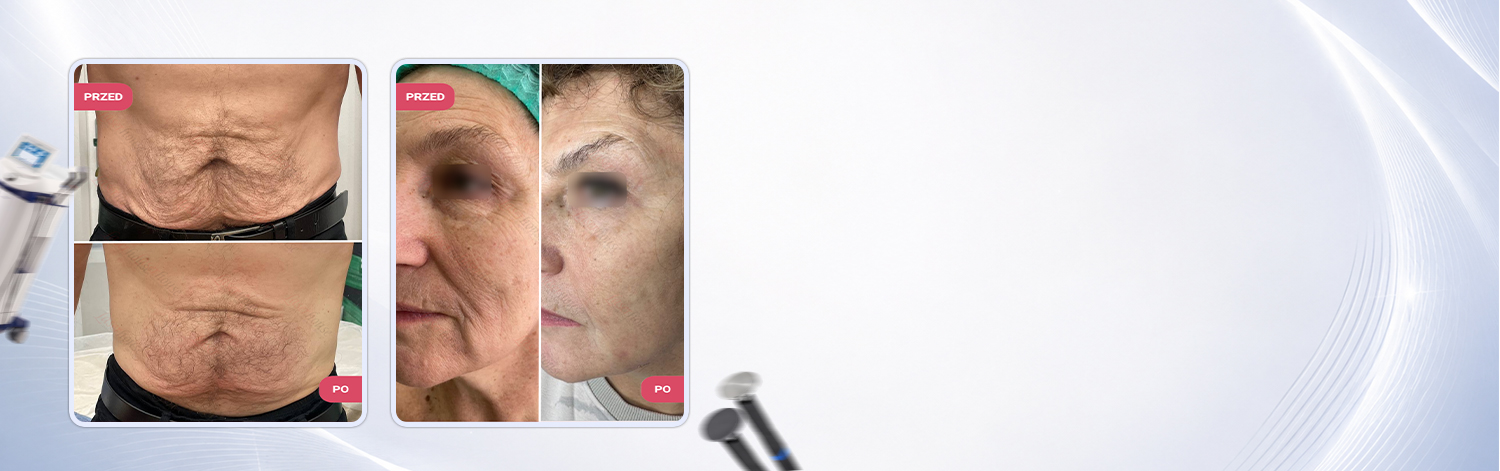
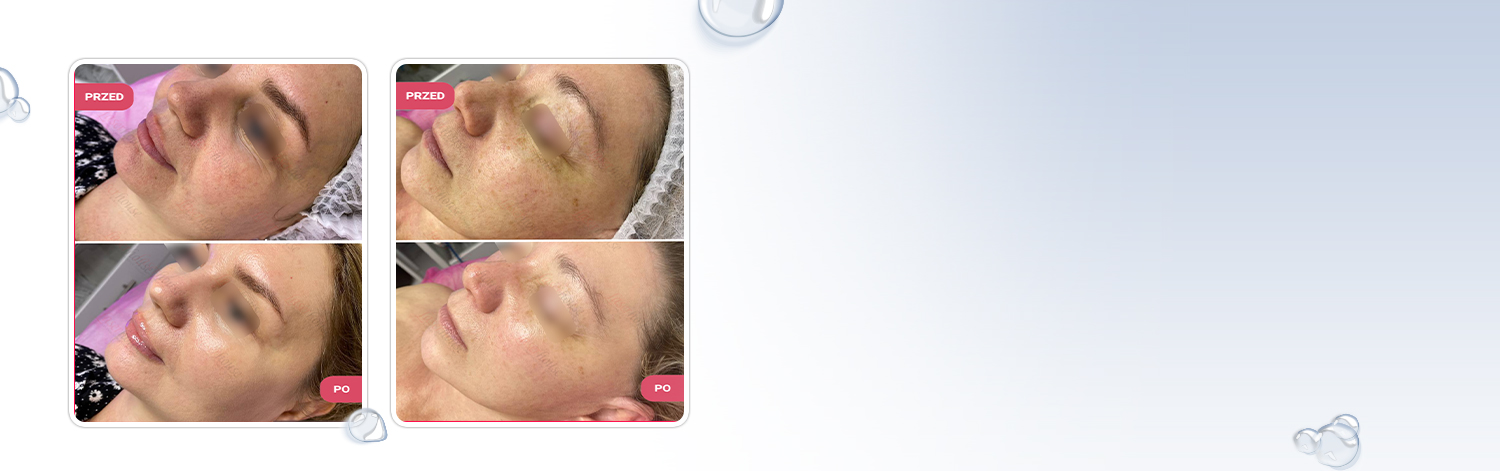
Laser facial rejuvenation is one of the most effective treatments for skin recovery after summer. The laser technique stimulates the production of new collagen in the deep layers of the dermis, evens out facial tone, reduces pigmentation and fine lines, and improves overall skin texture and density. The procedure specifically addresses issues that most frequently cause concern after the summer season: dullness, uneven tone, enlarged pores, and loss of firmness, returning a fresh, rested look to the skin much faster than is possible through home care alone.
Supportive Treatments for Skin Recovery
In addition to laser techniques, professional cosmetology offers a wide range of procedures for comprehensive restoration: hydrating and biorevitalizing injections, mild chemical peels that stimulate cell renewal without excessively traumatizing the skin, and device-based techniques that enhance the penetration of active ingredients into the deep layers of the skin.
It is worth turning to such procedures when home care is no longer sufficient for noticeable skin improvement — for instance, with pronounced pigmentation, persistent dullness, reduced tone, or significant loss of elasticity that does not resolve on its own after a few weeks of regular care.
Why Is Autumn the Best Time to Start Therapy?
In autumn, solar activity is significantly lower than in summer, which means a lower risk of adverse reactions, such as post-inflammatory hyperpigmentation following active treatments like peels or laser resurfacing. That is why many cosmetic procedures are recommended specifically during the autumn-winter period, when the skin enjoys the best conditions for calm and effective regeneration without the added stress of intense solar radiation.
How to Maintain Healthy-Looking Skin All Year Round?
To avoid repeating the "tired" skin state every year after summer, it is worth following a few basic principles:
- select daily skincare according to the current needs of the skin in a specific season, rather than using the same products year-round regardless of weather conditions;
- regularly apply sunscreen regardless of the season and weather outside;
- ensure sufficient hydration both externally through cosmetics and internally through drinking habits and nutrition;
- regularly visit a cosmetologist for a preventive assessment of the skin condition, even when there are no visible problems.
Regular preventive procedures make it possible to maintain results and notice the first signs of changes in time, without waiting for a problem to become pronounced and harder to correct.
Restore Healthy-Looking Skin Together with Laserhouse
Skin condition after summer is a temporary phenomenon that can be effectively managed with professional care. However, every skin type is unique, and what works well for one person may turn out to be insufficient or even inappropriate for another depending on skin type, sensitivity, and degree of damage. That is why professional diagnostics is the most reliable way to understand which specific procedures and products your skin actually needs, instead of relying on general advice or randomly chosen cosmetics.
Laserhouse specialists will conduct a detailed evaluation of your skin's condition, take into account individual characteristics, lifestyle, and preferences, and select a personalized recovery program — from home care to professional procedures that will help return a healthy, radiant look to your skin after summer. Book a consultation today to avoid putting off your skin care for later and enter the autumn-winter season with renewed, strengthened skin.

No reviews or questions yet