












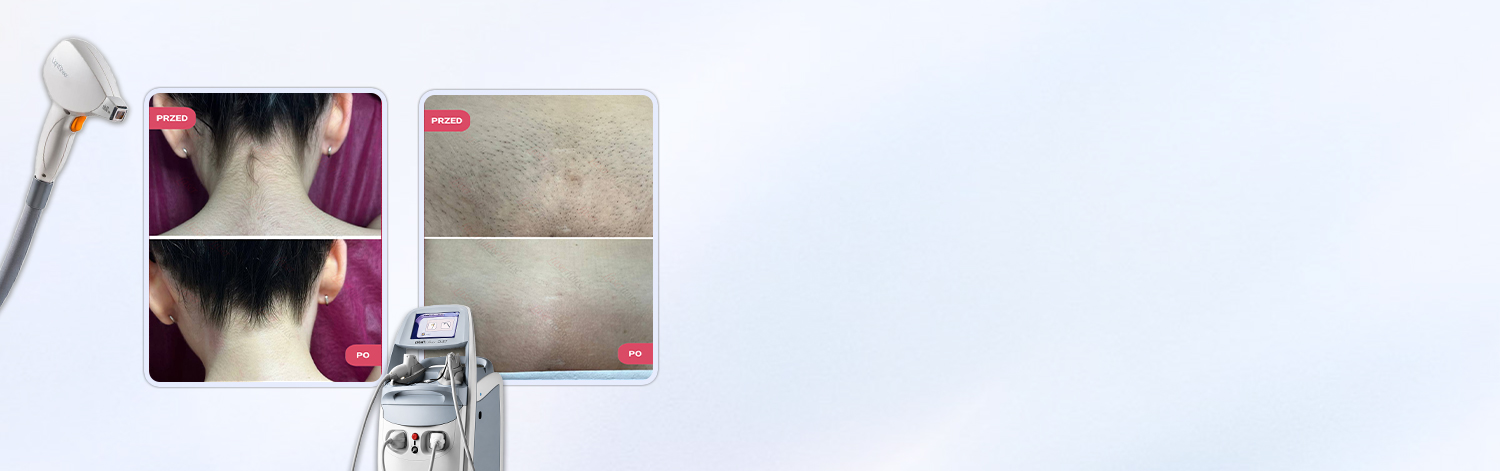
Skin Regeneration at the Cellular Level — How It Works in Warsaw

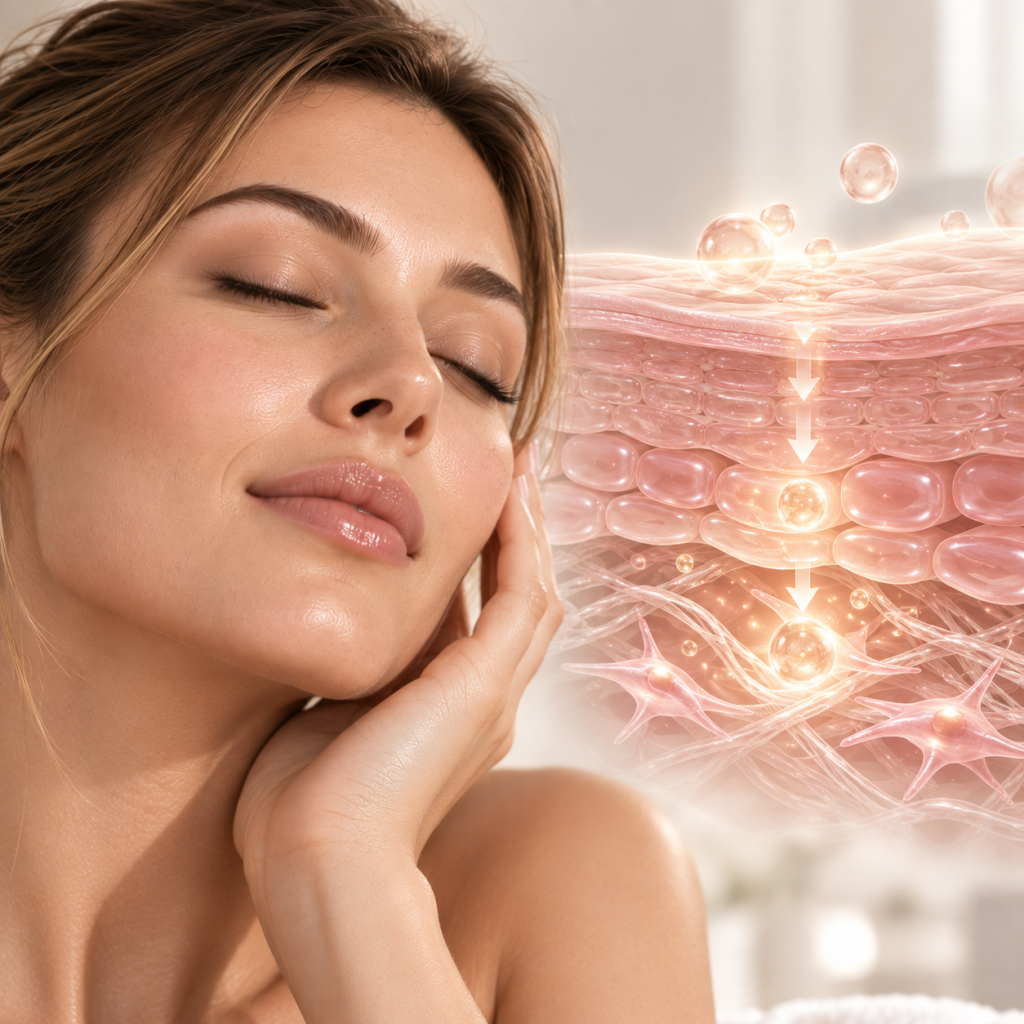
The skin renews itself constantly — every few weeks, you literally get a new outer layer. The only question is how well, how fast, and how completely this process occurs. This is precisely where the secret lies as to why some people's skin looks fresh at 40, while others look tired as early as 25. Understanding this mechanism helps you take a mindful approach to skincare and treatment selection.
What Is Skin Regeneration at the Cellular Level?
Skin regeneration at the cellular level is a continuous process of cell renewal, through which damaged, old, or dead cells are replaced by new ones. The skin consists of two main layers: the epidermis and the dermis.
To put it simply, here is how skin regeneration works: stem cells — keratinocytes — constantly divide in the basal layer of the epidermis. New cells gradually migrate toward the surface, change their shape, lose their nuclei, and eventually slough off as dead scales. This cycle ensures the constant renewal of the skin's barrier function and determines its visual appearance: texture, tone, and moisture-retention capacity.
How the Epidermal Renewal Cycle Works
How long the epidermal renewal cycle lasts is a question frequently asked in cosmetology offices. In a young person, a full cycle takes approximately 28 days: from the birth of a cell in the basal layer to its shedding from the surface.
With age, this cycle slows down — in people over 50, it can stretch to 45–60 days. A sluggish cycle means that dead cells linger longer on the surface, making the skin look duller, its texture uneven, and its ability to recover from damage weaker.
Why Skin Regeneration Slows Down with Age
Skin regeneration and age share a relationship that is thoroughly studied in dermatology. Over the years, the activity of stem cells in the basal layer decreases, the synthesis of collagen and elastin in the dermis declines, and blood microcirculation slows down. External factors add to this: the cumulative impact of UV radiation (photoaging), chronic stress that elevates cortisol levels, and an unhealthy lifestyle.
According to a study published in PMC (NCBI), skin collagen decreases linearly by approximately 1% each year throughout adult life. By age 40, the cumulative loss of collagen can reach 20–25%, and after 50, this process only accelerates.
What Affects Skin Regeneration?
What affects skin regeneration is a complex issue, as the speed and quality of cell renewal are influenced by a combination of internal and external factors.
Internal Factors
- Hormones: Estrogen stimulates collagen synthesis — with menopause, regeneration slows down.
- Genetics: Determines the baseline rate of renewal and the thickness of skin layers.
- Health Status: Inflammation, deficiencies, and metabolic disorders hinder regeneration.
- Hydration: Dehydrated cells divide more slowly and are less effective at restoring the barrier.
External Factors
- UV Radiation: Damages cell DNA and accelerates the breakdown of collagen.
- Air Pollution: Generates oxidative stress, damaging cell membranes.
- Skincare: Proper care supports renewal, while aggressive care damages the barrier.
- Nutrition: Deficiencies in protein, zinc, and vitamins A, C, and E lower the quality of new cells.
How to Speed Up Skin Regeneration Naturally?
In daily life, cellular-level skin regeneration relies primarily on a sequence of simple yet effective habits. Regular gentle cleansing without over-drying, adequate hydration, quality sleep (it is at night that the activity of restorative processes peaks), a balanced diet with sufficient protein and antioxidants, and mandatory sun protection are all basic but powerful steps.
Active Components Supporting Regeneration
- Retinol (Vitamin A derivative): One of the most thoroughly researched ingredients; it accelerates cell turnover, stimulates collagen synthesis, and improves skin texture.
- AHA Acids (Glycolic, Lactic): Act on the surface, accelerating the exfoliation of dead cells.
- BHA Acid (Salicylic): Penetrates deeper into the pores, making it particularly beneficial for acne-prone skin.
- Vitamin C: A potent antioxidant and an essential co-factor for collagen synthesis.
- Peptides and Niacinamide: Support barrier function and reduce inflammation, speeding up the skin cell renewal process.
Modern Methods of Skin Regeneration
Home skincare has its limits of efficacy — active components primarily work on the surface level. Modern skin regeneration methods allow for a deeper impact, directly stimulating processes in the dermis where home cosmetics simply cannot reach.
Laser Skin Regeneration — How Does It Work?
The effects of laser skin regeneration are based on the principle of controlled micro-injury. The laser beam targets the tissue precisely, creating micro-zones of thermal impact. This triggers a natural healing response: the body activates fibroblasts — the cells responsible for producing collagen and elastin — to "repair" the treated area.
The stimulation of collagen and elastin production during laser procedures occurs on several levels: immediately after the treatment, microcirculation and tissue metabolism increase; over the following weeks, the synthesis of new collagen is activated; and the complete remodeling of the dermal matrix continues for several months.
According to Johns Hopkins Medicine, most laser treatments for rejuvenation stimulate the production of collagen, the protein that gives skin its structure and elasticity.
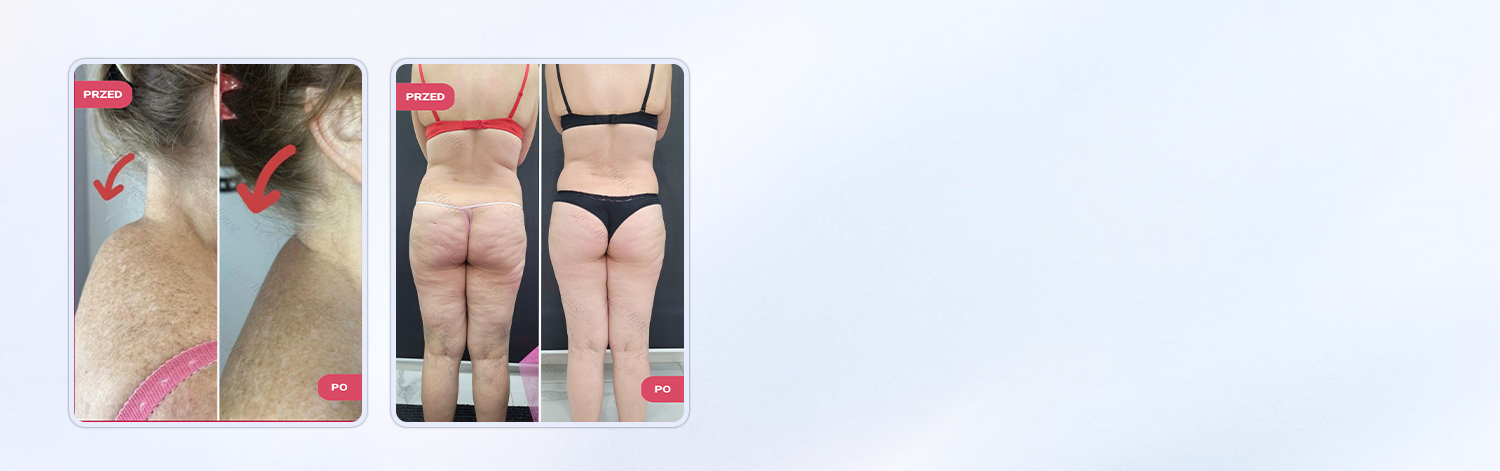
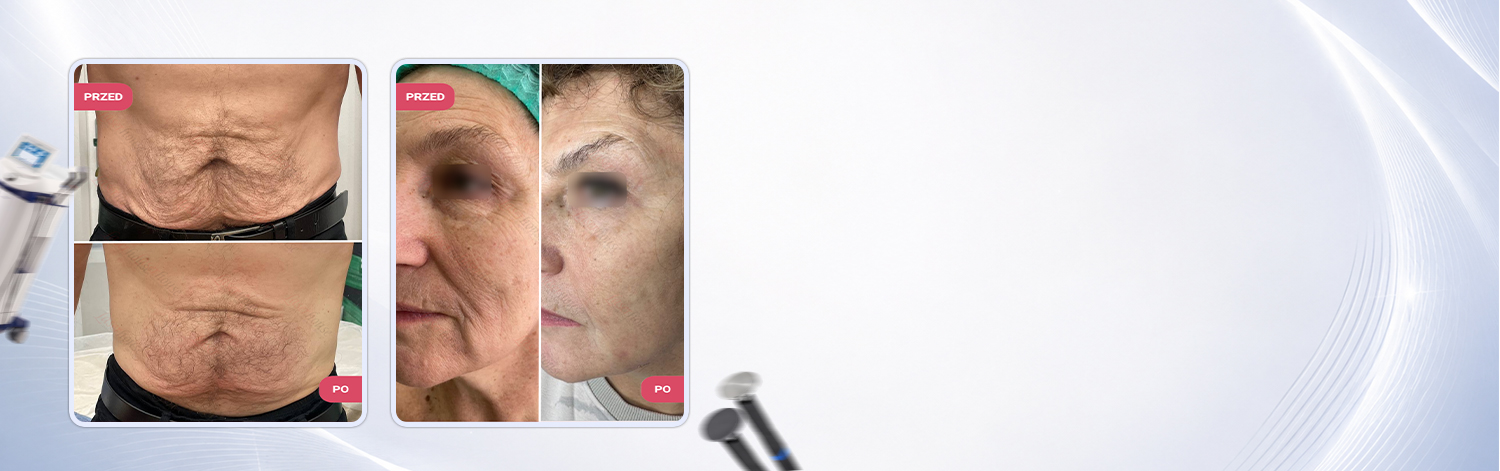
This is why the results of laser procedures build up gradually rather than appearing instantly. Post-treatment skin regeneration is a managed, predictable process that can be tailored to specific goals: evening out skin tone, reducing acne scars, improving texture, or combating signs of photoaging. As noted by DermNet, modern laser technologies can significantly reduce wrinkles, acne scars, and other skin imperfections with minimal disruption to tissue integrity compared to earlier methods.
Other Procedures Promoting Regeneration
- HydraFacial: Combines cleansing, exfoliation, and infusing the skin with active serums — gently stimulating surface renewal without trauma.
- Chemical Peels (AHA, BHA, or TCA-based): Responsibly remove the upper cell layers, accelerating the renewal cycle and stimulating the synthesis of new collagen.
- Mesotherapy: Delivers active substances — vitamins, hyaluronic acid, peptides — directly into the dermis via micro-injections or a microneedling roller, supporting regeneration from within.
Important: Skin recovery after cosmetic procedures always requires proper post-treatment care — hydration, sun protection, and a temporary pause on aggressive active ingredients. Without this, even the best stimulation will not deliver the expected results.
Effects of Skin Regeneration — What to Expect
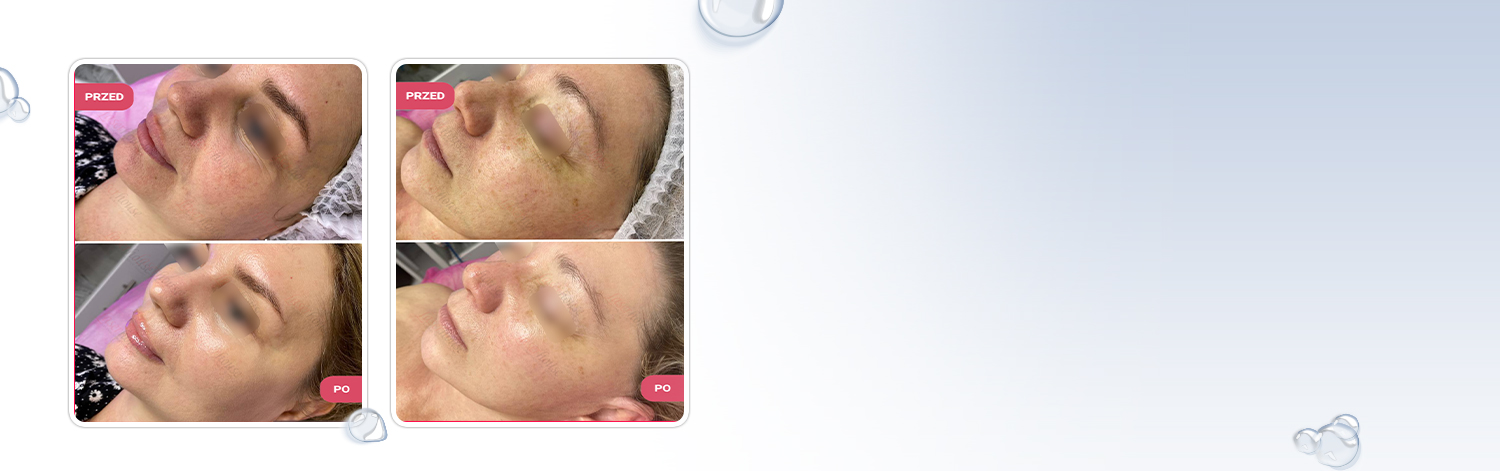
Face skin regeneration procedures deliver real, though gradual, results. Immediately after the procedure, the skin may appear slightly red or sensitive — this is a normal reaction to stimulation.
- 0–2 Days: Mild redness and sensitivity — a normal response.
- 1–2 Weeks: First changes in skin tone and texture become visible.
- 6–12 Weeks: Pronounced effect: even skin tone and enhanced firmness.
After how many procedures is the result noticeable?
The number of sessions required depends on the specific concern, skin type, and the chosen technology. For minor changes in tone or texture, results may be visible after just 1–3 procedures. For more pronounced issues — deep acne scars, significant pigmentation, or signs of age-related changes — a course of 4–6 procedures spaced a few weeks apart is typically required, allowing the skin to fully complete its recovery cycle between sessions.
Why choose professional regenerative procedures?
Home care is essential but limited in its depth of penetration. Professional skin rejuvenation procedures allow for the targeted and safe stimulation of those processes to which cosmetics simply have no access. In a clinic setting, the procedure is performed under the supervision of a specialist who accounts for skin type, the condition of the barrier function, and individual contraindications — this lowers risks and boosts the efficacy of the outcome.
Achieving a comprehensive improvement in facial skin involves combining daily home care with periodic professional stimulation. This exact approach yields a stable, cumulative result rather than a temporary fix.
Book a free consultation with a Lazerhauz specialist and take care of your skin today!
Skin regeneration is a non-stop process, whether you notice it or not. The only question is whether your skin is receiving enough support for high-quality renewal. At Laserhouse, we customize regenerative treatment protocols individually — keeping your skin condition, age, goals, and sensitivity in mind.

No reviews or questions yet