








What is acne and how to treat it? in Warsaw

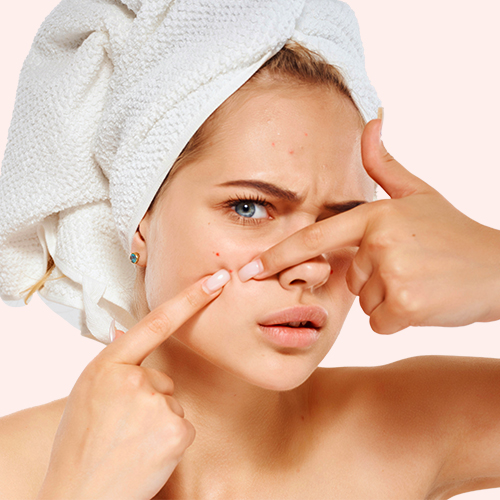
Acne is not only a problem for teenagers — breakouts on the face, back, or chest have become a problem for thousands of adults, affecting their confidence and quality of life. Find out why breakouts occur and which treatments really work. This article will help you better understand your problem and prepare for a visit to a specialist to get the best results.
What is acne?
Acne is an inflammatory skin condition caused by a combination of several factors: excessive sebaceous gland activity, clogged pores, and bacterial growth. It can be caused by hormonal fluctuations, stress, heredity, certain medications, digestive disorders, or the use of comedogenic cosmetics.
Why does acne appear?
There is no single reason for the appearance of pimples, as their occurrence is associated with a complex of internal processes in the body.
✅Hormonal changes
During puberty, the sebaceous glands begin to actively produce more sebum, which provokes inflammation and the formation of pimples. Heredity also plays an important role: if one or both of your parents had acne problems, the likelihood of you having acne increases significantly. Hormonal fluctuations, such as the menstrual cycle in women, can also cause acne.
✅ Physical pressure
Constant pressure on the skin due to wearing tight clothing, helmet chin strap, backpack straps or bra straps can lead to acne at the points of contact.
✅ Medications
Certain medications such as corticosteroids, birth control pills, or anticonvulsants can cause acne to develop.
✅ Diet
Although diet in general does not have a strong effect on the appearance of acne, there is evidence that avoiding dairy products and a low glycemic index diet helps reduce acne symptoms in some people.
Types of pimples
Sometimes it seems that one pimple on the face is not a problem and can be easily dealt with. However, for effective treatment, it is important to understand exactly what type of acne you are facing. Understanding this nuance is the first step towards healthy skin.
|
Type of acne |
Short description |
|
Comedones (open and closed) |
The most common type of lesion. Open comedones are blackheads that darken upon contact with air. Closed comedones are white bumps under the skin, without oxidation. |
|
Papules |
Red, inflamed bumps without pus. They may be painful and cause discomfort. |
|
Pustules |
“Pimples”: red lesions with a white, pus-filled tip. They are easily damaged and may release pus. |
|
Nodules |
Deep, hard subcutaneous lumps with a dark red or purple coloration. Painful, sometimes itchy. |
|
Cysts |
Large, painful subcutaneous lesions formed by the merging of inflamed nodules. They often leave scars or indentations. |
|
Infantile acne |
Acne lesions in newborns caused by maternal hormones. They do not require treatment and resolve on their own. |
Stages of acne
Treatment methods for acne depend on the severity of the condition. Cosmetologists distinguish four stages of acne development:
Depending on the stage of acne, the doctor may prescribe antibiotics to relieve inflammation or hormonal drugs if a hormonal imbalance is detected. In addition to medication, it is important to establish proper skin care.
|
Severity level |
What the skin looks like |
Short description |
|
1 (mild) |
Single comedones and occasional papules |
Minor changes without pronounced inflammation. Most often blackheads or small white bumps. |
|
2 (moderate) |
Comedones, visible papules, and occasional pustules |
Inflammation becomes noticeable, pus-filled lesions appear, the skin is uneven, acne lesions are larger. |
|
3 (moderately severe) |
Numerous papules and pustules; initial nodules may appear |
Inflammation reaches deeper layers, significantly more lesions, possible painful elements. |
|
4 (severe) |
Nodules, large pustules, sometimes cysts |
Strong inflammatory foci, very high risk of scarring and post-inflammatory hyperpigmentation. |
|
5 (very severe / nodulocystic) |
Cysts, merging lesions, severe pain |
Deep and large subcutaneous lesions, very high risk of scarring. Treatment by a specialist is required. |
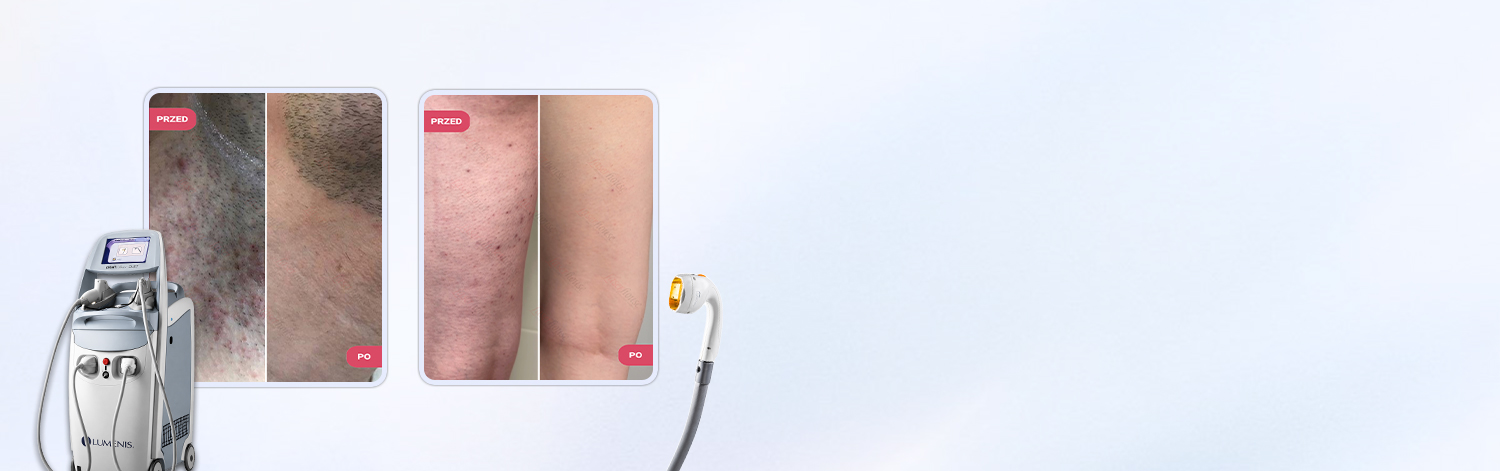
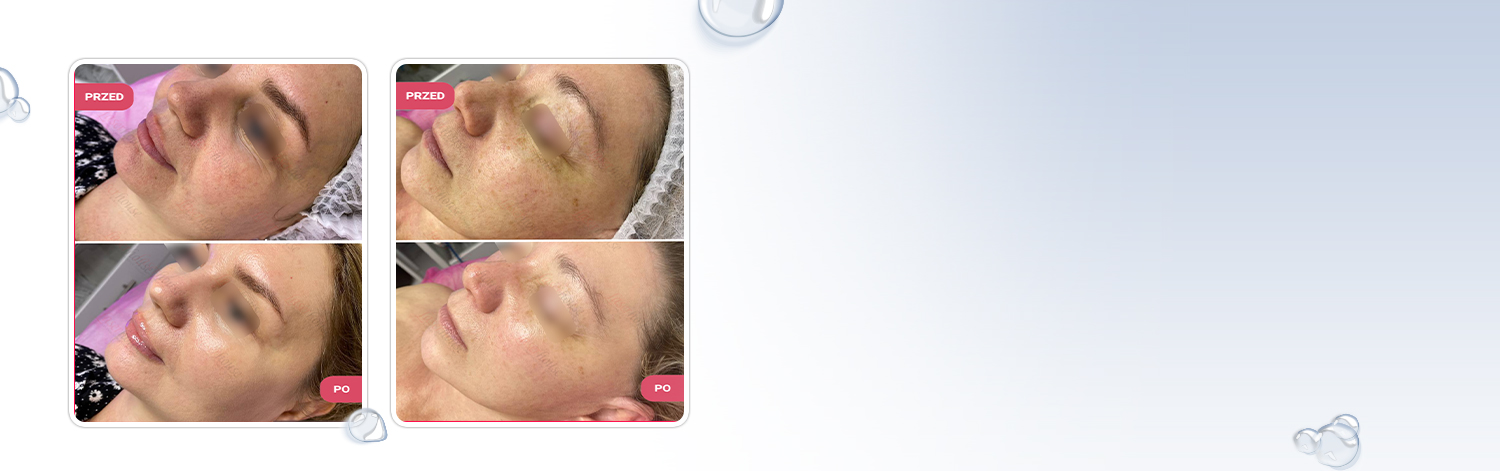
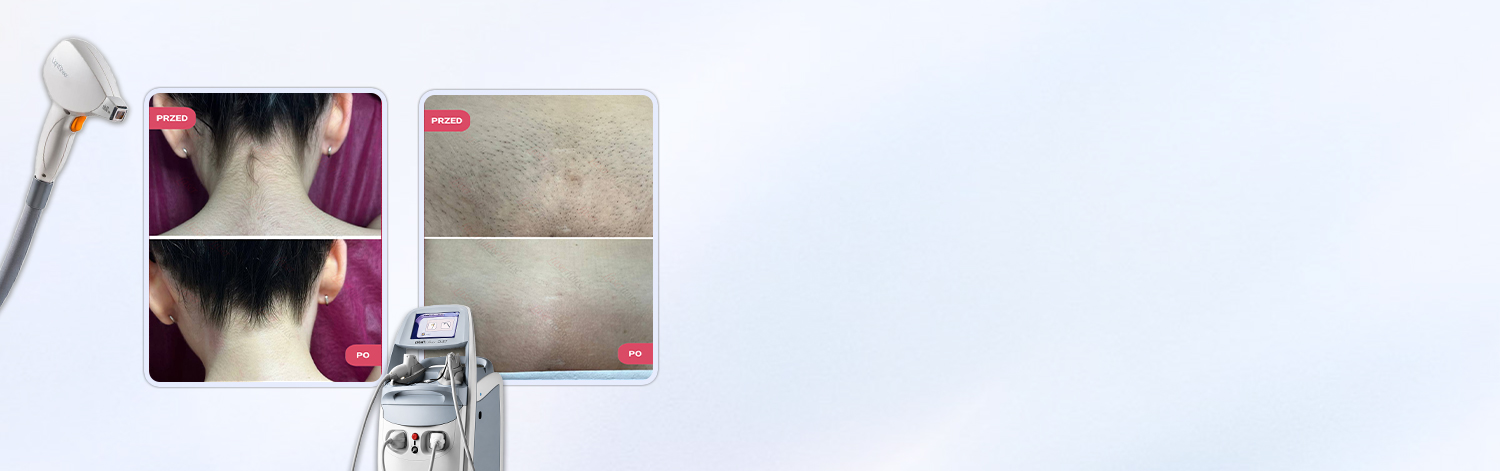
According to the recommendations of the Polish Dermatological Society, the best results are achieved with a combination of local remedies and individually tailored procedures.
| Time | Laser treatment of acne (LUMENIS) | Price | Book now |
|---|---|---|---|
|
40 min |
Laser treatment of the face |
200 zł | |
|
40 min |
Laser treatment face + neck |
257 zł | |
|
40 min |
Laser treatment for the back | 371 zł | |
|
50 min |
Laser treatment upper back | 257 zł | |
|
40 min |
Laser treatment of the buttock | 285 zł | |
|
50 min |
Laser treatment of the décolletage | 285 zł | |
|
40 min |
Laser treatment of the shoulders | 300 zł | |
| 40 min | Laser treatment for the lower back | 200 zł | |
| 20 min | Laser treatment locally | 114 zł |
| Time | Laser treatment of acne (Lumenis) and ampoule of your choice (non-injection mesotherapy) | Price | Book now |
|---|---|---|---|
| 50 min | Laser treatment face with ampoule | 271 zł | |
|
50 min |
Laser treatment face and neck with ampoule |
342 zł | |
| 50 min |
Laser back treatment with ampoule |
428 zł | |
| 50 min |
Laser treatment upper back with ampulla |
314 zł | |
| 50 min |
Laser treatment buttocks with ampoule |
342 zł | |
| 60 min |
Laser treatment of décolleté with ampoule |
342 zł | |
|
50 min |
Laser shoulder treatment with ampoule |
385 zł | |
| 50 min |
Laser treatment of the lower back with ampoule |
271 zł | |
| 25 min |
Laser treatment with ampoule (topical) |
185 zł |
- The duration of the treatment for each zone is based on consultation
- Consultation - free of charge

No reviews or questions yet