









Is autumn the best time to start rejuvenating procedures? in Warsaw


Every year with the arrival of September, cosmetologists record a surge in consultation requests: clients want to understand when to start a rejuvenating treatment course and whether autumn facial treatments really are not just a marketing slogan, but a well-founded recommendation. The answer is yes, and there are specific physiological reasons for this.
The question of autumn and cosmetology procedures concerns not only those who are thinking about rejuvenating procedures for the first time, but also people who have already completed courses before and want to choose the optimal time for the next stage. Skin rejuvenation in autumn is a topic that gains popularity every year precisely because the physiology of the skin during this period really works in favor of the client, not against them.
Why is autumn considered the best time for rejuvenating procedures?
The main reason why it is worth doing procedures in autumn is the significantly lower level of ultraviolet radiation compared to the summer months. Less insolation means a lower risk of unwanted pigmentation after procedures that temporarily increase the skin’s sensitivity to the sun.
In addition, autumn and cosmetology procedures are a combination that gives the skin more time for calm regeneration: there is no heat, increased sweating, or daily contact with chlorinated or salty water, which slow down healing.
Autumn also makes it possible to complete a full course of several sessions. Therefore, rejuvenating procedures in autumn, started on time, provide a visible result even before the beginning of the spring-summer season.
Another practical argument is vacation planning. If travel, beach holidays, or active sun exposure are planned for summer, most procedures have to either be postponed or their effectiveness significantly limited because of the risk of complications. Rejuvenating procedures in autumn make it possible to complete the course without restricting the usual lifestyle.
What skin problems most often worsen after summer?
After the vacation season, cosmetologists record a typical set of complaints with which clients come for consultations. It is this set of problems that determines which facial treatments after vacation will be most appropriate in a particular case.
Sun spots and pigmentation
Ultraviolet radiation stimulates melanocytes (these are cells that produce pigment) and provokes the appearance of sun spots and uneven skin tone. In addition, studies of the mechanisms of photoaging, published in the PMC (NCBI) database, show that excessive activity of matrix metalloproteinase enzymes, which are produced in response to UV irradiation, destroys collagen and elastin in the dermis — this is the same process that underlies both pigmentation changes and loss of skin firmness.
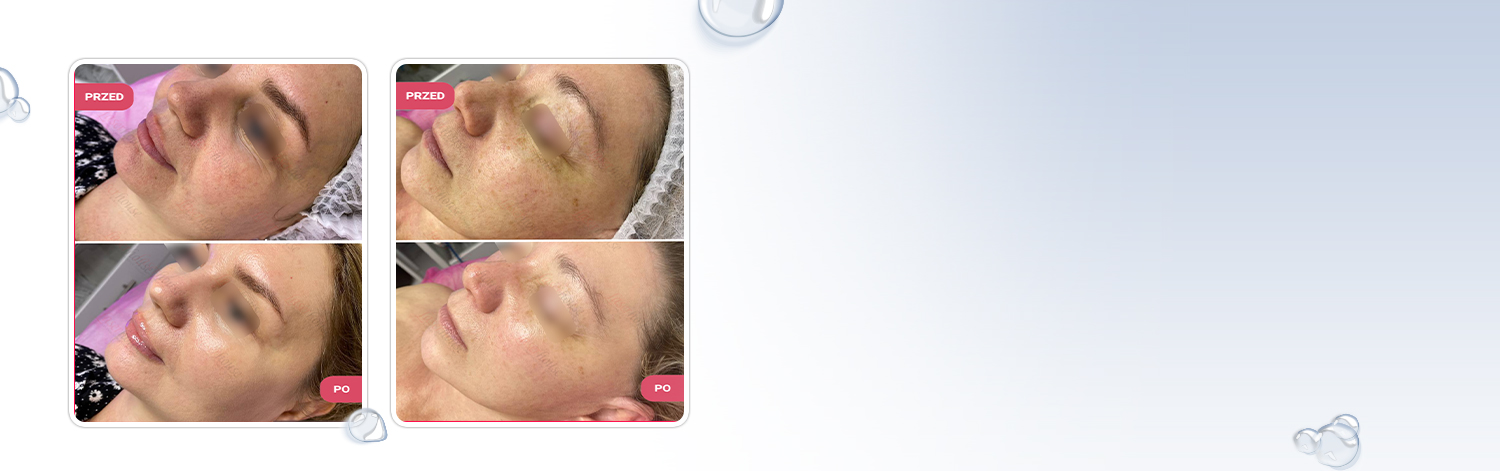
That is why facial treatments after vacation are most often aimed at combating pigmentation that appeared or intensified during the summer. Timely consultation with a cosmetologist makes it possible to correct these changes before they become firmly established in the skin for a long time, while treatments for pigmentation in autumn provide the most stable result precisely because of the lower level of sun exposure during this period.
Loss of firmness and signs of photoaging
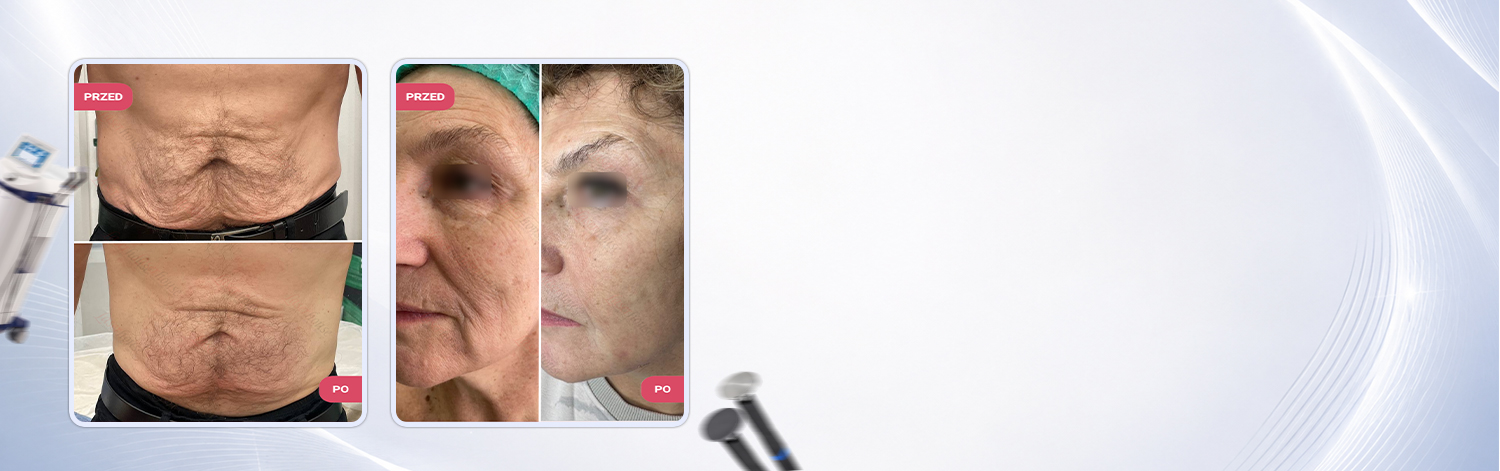
The same mechanism of collagen and elastin destruction under the influence of ultraviolet radiation explains why after summer the skin often looks less firm and fine wrinkles become more pronounced. Dermatologists call this phenomenon photoaging — accelerated skin aging under the influence of the sun, as opposed to the natural age-related process. The more intense the sun exposure was during summer, the more noticeable these changes become in autumn.
Dryness and uneven skin tone
Heat, air-conditioned air, and frequent washing after the beach weaken the skin’s hydrolipid barrier, causing it to lose moisture faster than usual. As a result, skin regeneration after summer becomes a priority.
Therefore, before moving on to active rejuvenating procedures, cosmetologists often recommend several weeks of skin regeneration after summer.
What rejuvenating procedures are worth doing in autumn?
Laser skin rejuvenation
Laser facial rejuvenation is one of the most popular requests in autumn, and this is no coincidence. According to the American Board of Cosmetic Surgery, laser-treated skin remains hypersensitive to sun exposure for a long time after the procedure, so most specialists recommend carrying out such interventions specifically in autumn or winter, when daylight hours are shorter and the amount of time spent in the sun is lower. That is why laser rejuvenation in autumn is considered the optimal solution: the risk of unwanted pigmentation after the procedure is significantly lower than if the same laser procedures after summer were performed in the middle of the hot season.
Data from the NCBI Bookshelf (StatPearls) review on ablative laser techniques also confirm that possible complications of laser rejuvenation include persistent erythema and pigmentation disorders, the risk of which increases specifically under conditions of intense sun exposure during the healing period. Therefore, the best time for laser procedures is a period of low insolation, and autumn is ideal for this.
Procedures to improve skin quality and firmness
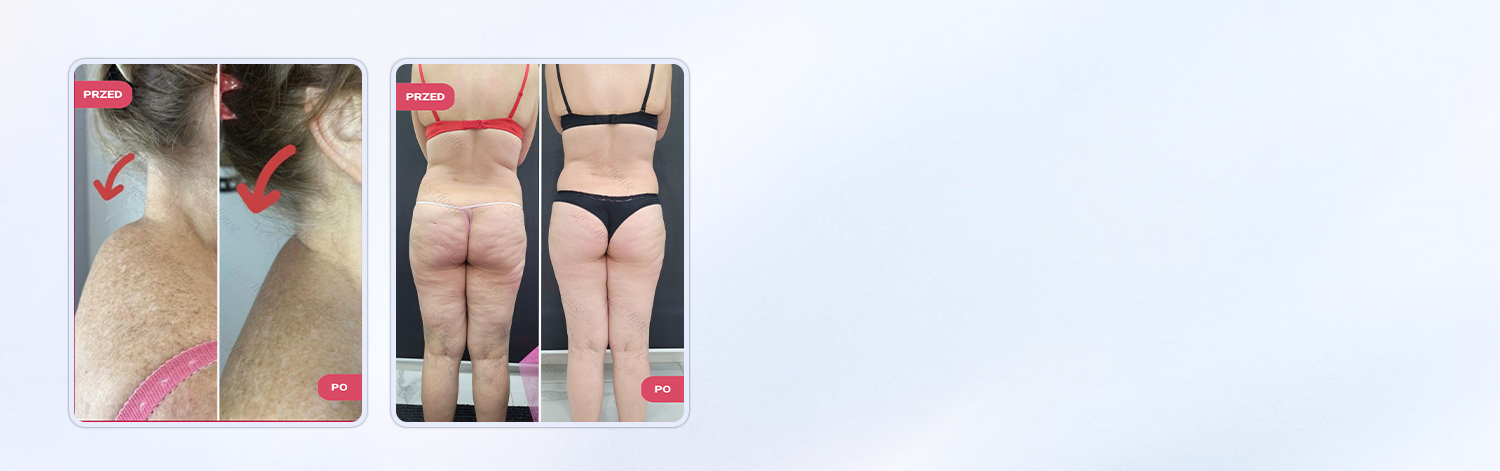
In addition to laser techniques, protocols aimed at stimulating the production of the skin’s own collagen also work well in autumn: mesotherapy, biorevitalization, device-based techniques using radiofrequency or ultrasound. These autumn cosmetology procedures do not require prolonged avoidance of the sun.
Therapies to reduce pigmentation
Treatments for pigmentation in autumn are a separate area that includes chemical peels, phototherapy, and laser techniques aimed specifically at evening out skin tone. In autumn, such protocols provide the most predictable result: photorejuvenation in autumn takes place without the risk of increased pigmentation from additional sun exposure, which is unavoidable in summer.
It is important to understand: photorejuvenation in autumn is usually carried out as a course of several procedures, rather than as a single session. That is why an early visit to a cosmetologist gives enough time for a complete protocol before the arrival of spring.
Why should you not postpone a rejuvenation course until winter or spring?
The question of when to start a rejuvenating treatment course is logically followed by the issue of timing. Many rejuvenating protocols work in a series of several sessions, with intervals ranging from two to four weeks, while the visible result stabilizes only several months after the course is completed. If you wait until winter, the course may extend into late spring — and this is already a period of increasing solar activity, when rehabilitation after procedures becomes more difficult.
Therefore, specialists advise not to postpone the decision about when to start a rejuvenating treatment course: a course started in September-October has time to be completed and gives the skin time for complete tissue restructuring even before spring arrives, when ultraviolet exposure increases again. This also applies to laser protocols: if you compare laser procedures after summer performed immediately in autumn with the same procedures postponed until December or January, the difference in the convenience of planning the course and the stability of the result often turns out to be noticeable.
How to prepare the skin for rejuvenating procedures?
Proper home care
Before starting the course, the skin needs basic preparation: restoration of the hydrolipid barrier with moisturizing products containing ceramides or hyaluronic acid, as well as mandatory daily SPF protection, even on cloudy autumn days — because ultraviolet exposure does not disappear completely, it only decreases.
Consultation with a cosmetologist
No protocol is selected "blindly." An individual assessment of the skin condition allows the cosmetologist to determine which rejuvenating procedures will provide the best result specifically for you — depending on skin type, wrinkle depth, degree of pigmentation, and other individual factors.
How to care for the skin during a rejuvenation course?
Throughout the entire course, it is important to follow several basic rules: use post-procedure care recommended by the cosmetologist, do not skip sunscreen even in cool weather, maintain regularity of sessions without independently extending or shortening the intervals, and carefully follow all specialist recommendations regarding active ingredients in home care during the rehabilitation period.
Start a rejuvenation course in autumn at Laserhouse
Autumn really creates the most favorable conditions for starting a course of rejuvenating procedures: less sun, more time for regeneration, and the opportunity to complete the full protocol before the beginning of the active spring-summer season. This once again confirms why it is worth doing procedures in autumn — the physiology of the skin during this period works in favor of the result, not against it. Regardless of whether you are interested in laser rejuvenation in autumn or protocols for combating pigmentation and loss of firmness, the best time for laser procedures and other methods is right now, while the level of ultraviolet radiation is low and there is enough time for a full course.
At Laserhouse, a cosmetologist will assess the condition of your skin and select an individual autumn facial treatment plan that will provide the maximum and stable result — because skin rejuvenation in autumn is always more effective when the protocol is built around the client’s specific needs rather than according to a template.
Book a consultation right now — and take the first step toward renewed, healthy skin this autumn.

No reviews or questions yet