











Manual Cleansing vs. Modern Technologies

The question of "which facial cleansing to choose" sooner or later arises before anyone who is attentive to the condition of their skin. Some trust the hands of an experienced cosmetologist, others — new-generation devices. In fact, the confrontation of "manual cleansing vs. modern technologies" has no single winner: both approaches work, just in different ways and for different tasks.
In this article, we will analyze the essence of classical manual facial cleansing, how modern skin cleansing technologies work, and how to understand which procedure is right for you.
Why Is Regular Skin Cleansing So Important?
Facial skin daily faces dust, exhaust gases, makeup residues, and excess sebum. Without systematic cleansing, these impurities accumulate in the pores, disrupting the natural processes of skin renewal.
What Happens to the Skin Without Proper Cleansing?
When pores do not receive regular care, dead epidermal cells, sebum, and bacteria accumulate in them. A so-called comedone is formed — a dense plug that clogs the excretory duct of the sebaceous gland. If the process is left to run, enlarged pores, localized inflammation, and uneven skin texture are possible. Therefore, facial cleansing for problem skin is not a cosmetic whim, but the prevention of more serious dermatological problems.
How to Choose a Cleansing Method According to Skin Needs?
Skin type, its sensitivity, the presence of active inflammation, or dilated vessels — all of this determines which method will be safe and effective. For example, according to a clinical study published in the NCBI database, sebum production largely depends on hormonal activity: insulin-like growth factor stimulates the synthesis of androgens, which, in turn, increase the work of sebaceous glands and contribute to the development and persistence of acne.
Therefore, for people with oily or hormone-dependent problem skin, a cosmetologist often recommends different protocols than for patients with dry or sensitive dermis.
What Is the Essence of Manual Facial Cleansing?
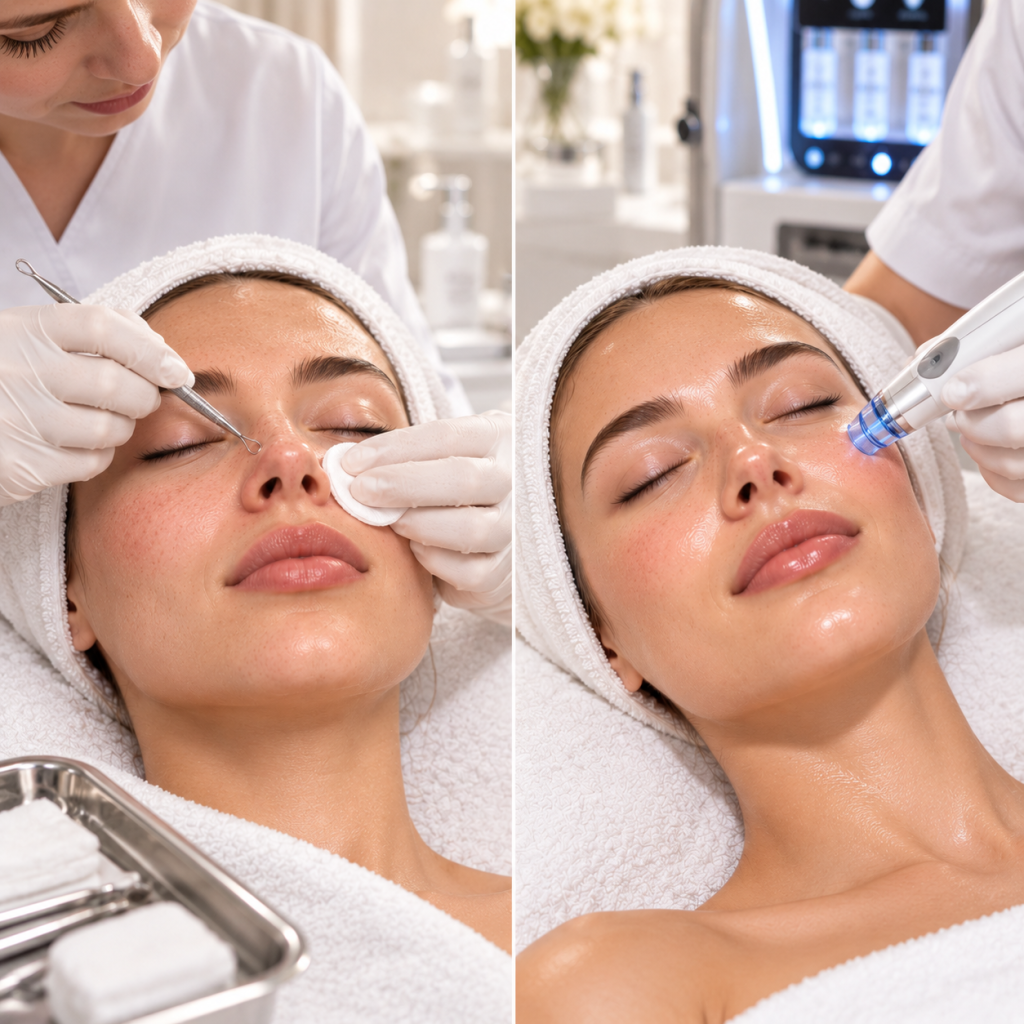
Manual facial cleansing is a classic cosmetic procedure during which a specialist manually removes comedones, blackheads, and other pore impurities without using complex equipment. This method has remained a basic one in the arsenal of any cosmetology center for decades.
How Does the Procedure Look Step by Step?
Classic skin cleansing at a cosmetologist consists of several consecutive stages:
- Makeup removal and removal of surface impurities: removal of makeup, dust, and skin oil.
- Skin preparation: steaming or applying enzymatic or peeling agents to soften the stratum corneum and facilitate the extraction of comedones.
- The manual cleansing itself: the cosmetologist gently removes impurities from the pores using sterile instruments or wipes.
- Soothening the skin: applying soothing masks, lotions, or serums that relieve redness.
- Final care: moisturizing and, if necessary, a light massage to improve microcirculation.
Advantages of Manual Skin Cleansing
The main advantage of this method is the targeted removal of impurities. The cosmetologist sees and feels every pore, so they can effectively handle even deep, dense comedones that hardware methods sometimes fail to clear.
Among other advantages:
- an individual approach to each area of the face;
- absence of thermal or ultrasonic impact, which is important for sensitive skin;
- the ability to combine it with other procedures within a single session.
Disadvantages and Limitations of Traditional Cleansing
To speak honestly about the advantages and disadvantages of manual cleansing, it is worth noting: the procedure can be accompanied by discomfort, especially with deep inflammation. After the session, temporary redness often appears, and the skin needs time to recover — usually from a few hours to 1–2 days. Also, the result largely depends on the skill of the cosmetologist: careless work can damage the skin or trigger additional inflammation.
How Do Modern Skin Cleansing Technologies Work?
Modern cosmetology offers alternatives that allow minimizing mechanical impact on the skin while maintaining high efficiency in cleansing pores.
Hydrogen Cleansing
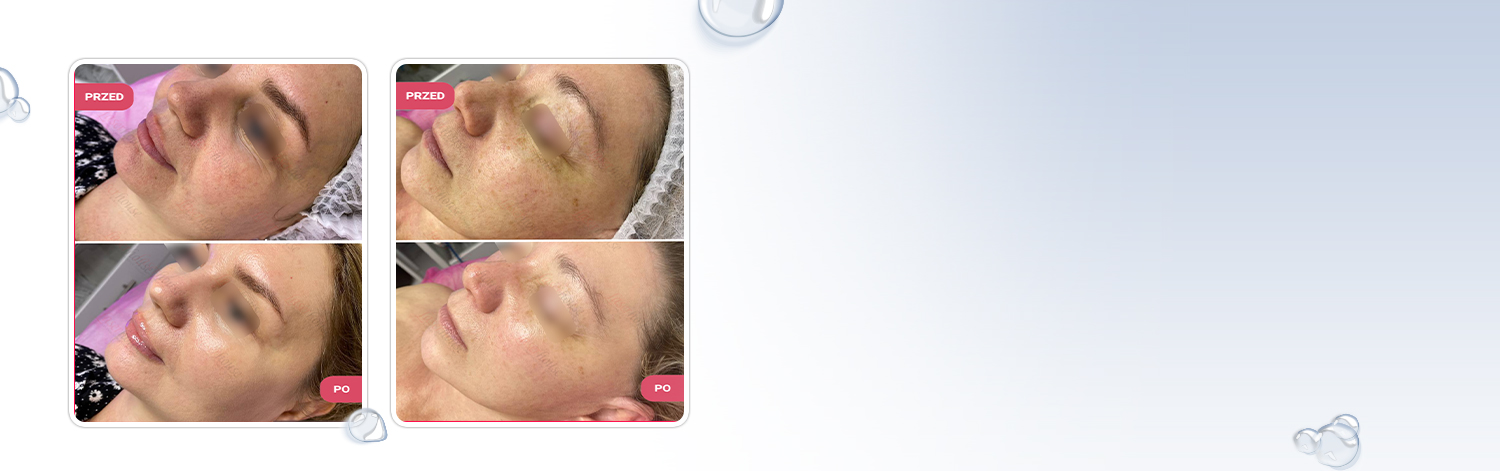
Facial cleansing technologies based on active hydrogen are one of the trends of recent years. The procedure combines gentle vacuum exfoliation with infusing the skin with hydrogen, which has antioxidant properties. This approach helps to delicately extract impurities from pores, moisturize the skin, and soothe it at the same time, making the choice between hydrogen cleansing and manual cleansing lean toward the former for people with sensitive or redness-prone skin.
Cavitation Peeling and Ultrasound
Another direction of modern skin cleansing is the use of ultrasonic waves. A special scrubber spatula generates high-frequency oscillations that create micro-vibration on the skin surface and help to delicately lift impurities from the pores without mechanical friction.
Such devices are capable of effectively cleansing the skin, removing dirt, oil, and dead cells, while improving the subsequent absorption of skincare products. The question of "cavitation peeling or manual cleansing" often arises in people with sensitive skin — the ultrasonic method is considered a gentler alternative, although for deep, "ripe" comedones, it is inferior to the manual work of a cosmetologist.
Laser Technologies and Adjuvant Procedures
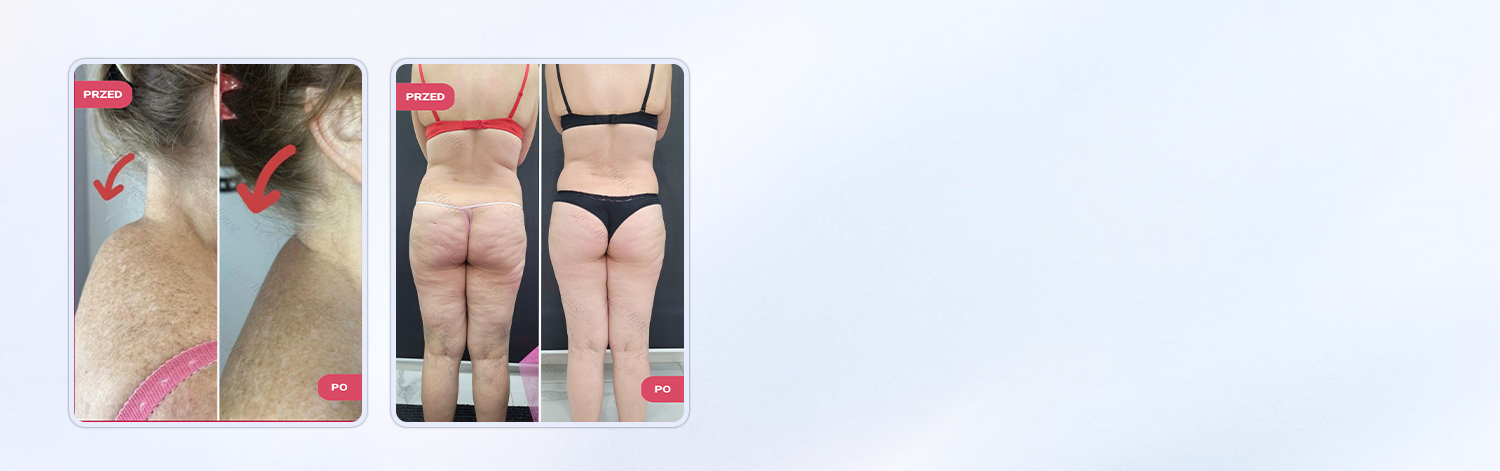
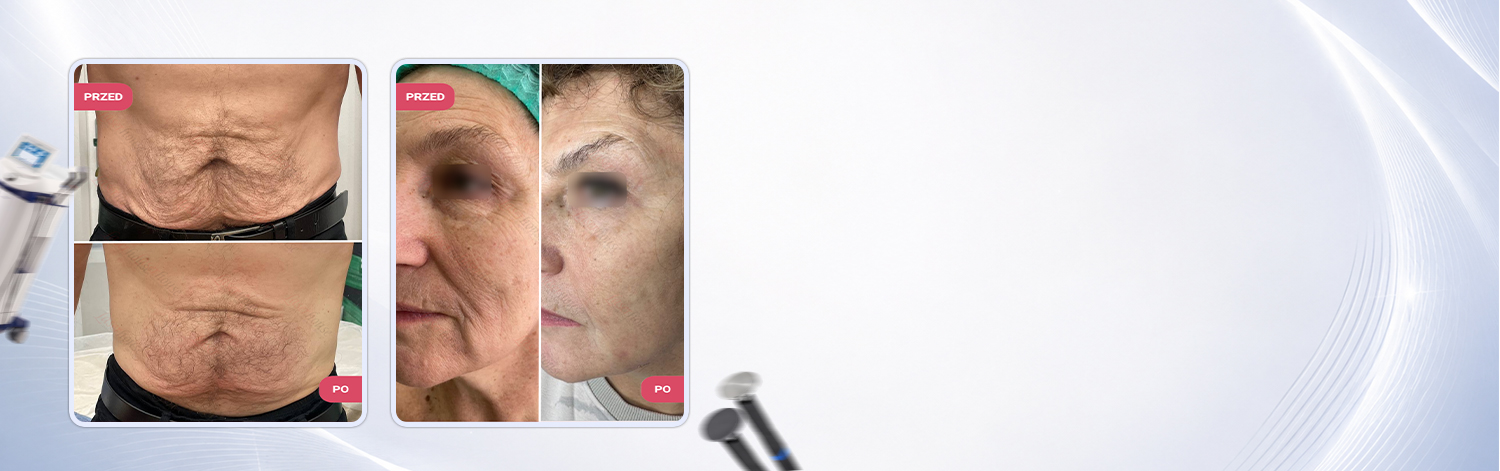
In addition to basic cleansing, modern facial cleansing procedures can include laser techniques that additionally stimulate skin regeneration, tighten pores, and even out tone. Fractional laser protocols launch natural processes of cell renewal in deeper layers of the dermis, so they are often selected for people with post-acne, uneven texture, or enlarged pores.
Manual Cleansing or Modern Technologies — Which to Choose?
There is no single answer: each method has its own effectiveness.
Effectiveness in the Fight Against Imperfections
For deep, dense comedones and pronounced problem skin, manual facial cleansing often remains the most effective option, as it allows for the mechanical removal of even stubborn impurities. On the other hand, modern skin cleansing with hardware methods works well as a regular maintenance procedure.
Procedure Comfort and Recovery Time
Hardware methods — Hydrafacial, ultrasound — are usually perceived as more comfortable and leave almost no redness, so they are suitable for those who cannot afford a "rehabilitation period" for their skin.
When Is It Worth Combining Different Cleansing Methods?
The best result is often achieved through a combined approach: the hardware method delicately prepares the skin and removes surface impurities, while the manual work of the cosmetologist completes the process where the device is powerless — in deep, long-standing comedones.
How to Care for the Skin After Facial Cleansing?
The result of any procedure depends not only on the hands of the cosmetologist or the device, but also on the subsequent home care.
Skin Moisturization and Protection
After cleansing, the skin is particularly vulnerable to external irritants, so it needs thorough moisturization. No less important is sun protection: according to the recommendations of the American Academy of Dermatology (AAD), you should daily apply a broad-spectrum sunscreen with an SPF of 30 or higher, regardless of the season.
Regularity of Procedures and Daily Care
To maintain the effect, it is important not only to repeat the procedure at the cosmetologist on time, but also to support the result at home: gentle cleansing twice a day, using non-aggressive products, and refusing to squeeze pimples on your own.
Consult a Specialist Regarding Your Skin's Needs
Choosing between manual cleansing and modern technologies is difficult without a specialist's examination: skin type, degree of pore clogging, and individual sensitivity — all of this influences the choice of procedure.
Sign up for a consultation at our Center — together with a cosmetologist, you will choose a cleansing procedure that is right for your skin and take the first step towards a clean, healthy face.

No reviews or questions yet