












Aesthetic Medicine — Facts and Myths in Warsaw

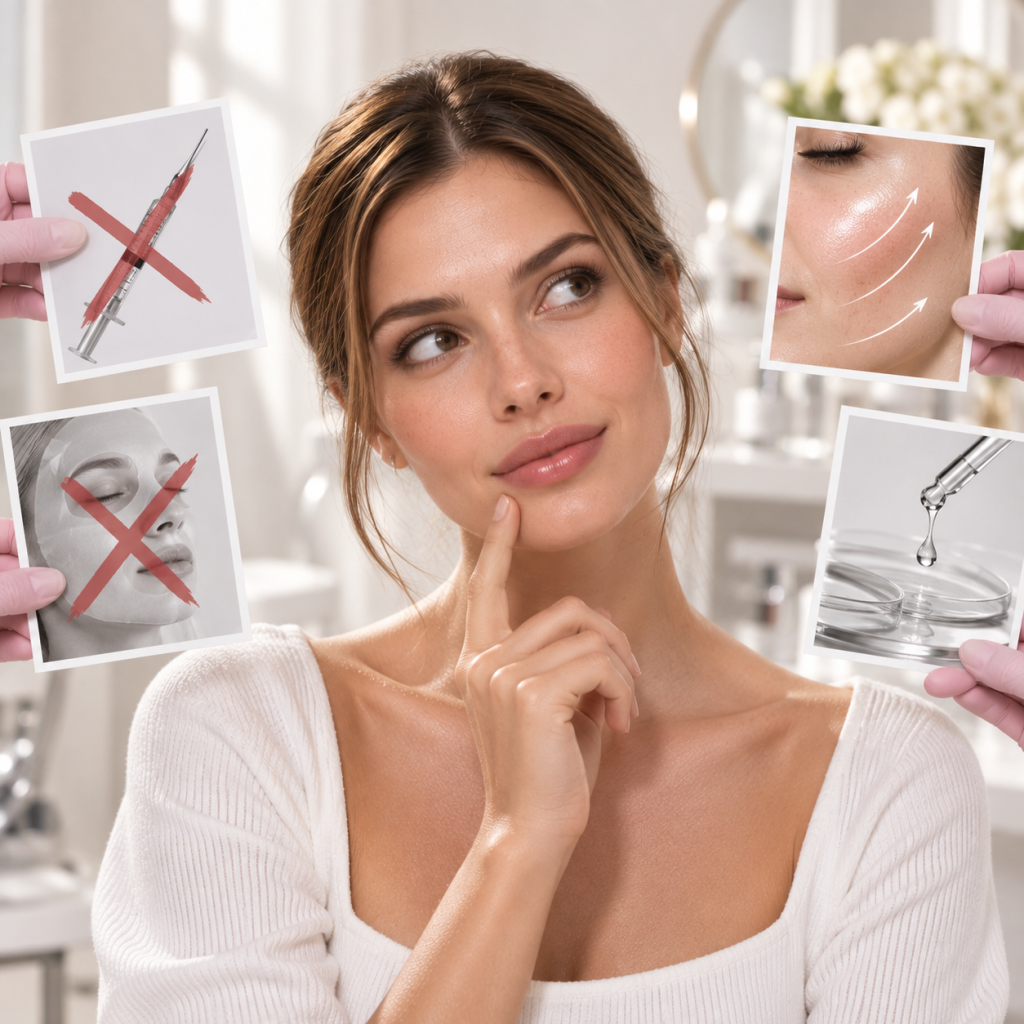
Botox "freezes" the face forever, fillers look unnatural, and all cosmetic procedures should only be performed on those over forty — there are perhaps more stereotypes surrounding aesthetic medicine than any other area of modern cosmetology. The topic of aesthetic medicine facts and myths worries many who are about to get procedures for the first time but are afraid to trust social media rumors or scary stories from acquaintances. Find out more details about the most popular myths about aesthetic medicine from this article.
What is Aesthetic Medicine and Why Does It Cause So Much Controversy?
Aesthetic medicine is a field that combines medical knowledge about the anatomy of skin and facial muscles with procedures aimed at improving appearance: from injections of botulinum toxin and fillers to hardware rejuvenation techniques. The goal of such procedures is the correction of age-related changes, prevention of skin aging, and maintenance of a natural, healthy look.
Controversies surrounding this field are largely explained by the fact that the line between medicine and the beauty industry here is very thin. The very same procedures can be performed both by a qualified doctor with a medical education and by a person without proper training in an unprofessional setting.
Where Do Myths About Aesthetic Medicine Come From?
Social media, photos of celebrities with unsuccessful results, and isolated stories of complications form a distorted picture that others then look up to. A single viral video about an unsuccessful procedure result is capable of forming fear in thousands of people, while millions of successful, subtle results simply do not attract such attention.
The formation of myths is also influenced by unverified information from unprofessional bloggers, advertising of dubious clinics with cheap prices, as well as personal negative experiences of individual people. Celebrities whose unsuccessful results from procedures with dubious cosmetologists become viral news also play their role. Therefore, the question of whether aesthetic medicine is safe should be considered not through the prism of individual stories, but relying on research data, complication statistics, and qualified expert opinions of doctors.
Myth: Aesthetic Medicine is Only for Older People
In fact, aesthetic medicine for young people is very popular all over the world: many procedures are preventive in nature. Botulinum toxin is used to prevent the formation of expression lines. Similarly, moisturizing procedures with hyaluronic acid are suitable for maintaining skin quality at any adult age. The choice of procedure depends on individual skin condition, genetic characteristics, lifestyle, sun exposure, and specific desires of the person. Younger skin for preventive purposes often requires completely different techniques than skin with pronounced age-related changes, and an experienced doctor takes this into account when selecting procedures. Therefore, the decision about any aesthetic medicine treatment should always be made after consultation with a specialist.
Myth: Any Aesthetic Medicine Procedure Gives an Unnatural Effect
An unnatural and emotionless facial appearance is most often the result of an unqualified cosmetologist's work and a poor choice of drug administration technique. Modern aesthetic medicine protocols take into account the patient's facial anatomical features, symmetry, facial expressions, and desired result.
Modern techniques for administering botulinum toxin and fillers allow preserving facial mobility and natural expressions, correcting only specific areas. That is why the issue of aesthetic treatments and natural appearance largely depends on the doctor's qualifications, proper selection of the drug, and execution technique.
Myth: Aesthetic Medicine Procedures are Dangerous
What Does Pre-Procedure Qualification Look Like?
Before any procedure, a responsible doctor conducts a detailed consultation: gathers a medical history, finds out about chronic diseases, allergies, pregnancy, or taking certain medications, and also evaluates contraindications for aesthetic treatments.
The Importance of Specialist Experience and Drug Quality
The safety of aesthetic medicine treatments directly depends on two factors: the doctor's qualifications and the quality of the drugs used. The US Food and Drug Administration (FDA) confirms the approval of certain dermal fillers based on hyaluronic acid after controlled clinical trials, and notes that the effect of such fillers lasts approximately six to twelve months, as they are gradually absorbed by the body.
Myth: The Result is Noticeable Immediately and Lasts Forever
The topic of Botox facts and myths, as well as hyaluronic acid facts and myths, still raises many questions. The effect of hyaluronic acid-based fillers is indeed visible immediately after injection, but over time it gradually decreases, whereas the effect of botulinum toxin manifests gradually — over several days after injection. According to the American Academy of Dermatology, the action of botulinum toxin lasts approximately 3 to 4 months, and sometimes longer, after which muscle activity gradually returns, and the procedure needs to be repeated to maintain the result. None of the modern techniques provide lifelong aesthetic medicine effects — the body continues to age naturally, and the drugs are gradually eliminated.
Myth: Aesthetic Medicine Procedures are Very Painful
The question of whether aesthetic medicine treatments are painful worries many who plan to get them for the first time. In fact, modern aesthetic medicine actively uses means to increase comfort: topical anesthetic creams, skin cooling before injection, thin needles, and drugs with added lidocaine.
Pain sensations also vary significantly depending on the treatment area and the patient's individual pain threshold. Areas with thinner skin or higher sensitivity (for example, lips or the area around the eyes) may feel more intense than, say, the forehead or cheek area.
Myth: Aesthetic Medicine Replaces a Healthy Lifestyle
No cosmetic procedure will replace full sleep, balanced nutrition, adequate body hydration, physical activity, quitting bad habits, and daily home skin care. Aesthetic medicine can support and improve the appearance of the skin and facial contours, but results will always be less pronounced if basic habits remain unhealthy: lack of sleep, chronic stress, smoking, excessive sun exposure without protection, or insufficient hydration. Therefore, experienced aesthetic medicine doctors always view the procedure as a supplement to a healthy lifestyle and proper home care, not as a replacement for it.
Facts About Aesthetic Medicine Worth Knowing
A few proven facts are worth keeping in mind when considering any aesthetic medicine treatment facts:
The effectiveness of procedures is confirmed by clinical trials and regulatory approvals, but the result is always individual and depends on the initial state of the skin, age, genetics, and lifestyle of the patient. Most procedures require regular repetition to maintain the effect — this is a normal, expected part of therapy, due to the natural metabolism of drugs in the body. Wondering how to prepare for an aesthetic medicine procedure? Consultation with a specialist before any procedure is a necessary step to evaluate contraindications, health status, and realistic patient expectations. Modern aesthetic medicine is constantly evolving: new technologies, drugs, and injection techniques increase procedure comfort, reduce the risk of side effects, and shorten recovery time.
How to Tell Facts Apart from Myths Before Making a Decision About a Procedure?
The most reliable way to distinguish verified information from a myth is to turn to primary sources: scientific publications, official websites of professional medical associations, recommendations of regulatory bodies like the FDA or national dermatological associations. Aesthetic medicine reviews should be sought among patients of verified clinics, paying attention to detailed procedure descriptions, specific results, and timelines.
It is worth remembering: before believing a loud claim about danger or, on the contrary, the "magical" effectiveness of a certain procedure, check whether it is confirmed by scientific data or the opinion of a qualified doctor.
Consult a Specialist and Choose a Procedure Consciously
Aesthetic medicine is not magic or a dangerous gamble, but a combination of a scientific approach, qualified medical practice, and an individual analysis of each patient's needs. Most common fears surrounding this field are based not on facts, but on isolated stories, bad experiences with unprofessional practitioners, or outdated ideas about techniques that have long been improved. Before making a decision about any procedure, consult with a qualified doctor who will honestly tell you about realistic expectations, possible risks, alternative options, and post-procedure recommendations. Do not hesitate to ask direct questions about education, experience, and the drugs used — a professional doctor will always answer them calmly and thoroughly. A conscious choice based on verified facts, rather than myths or fears from the internet, is the best path to a safe result that you will be satisfied with for a long time.

No reviews or questions yet