















Collagen: Why Skin Regenerates Slower After 30 in Warsaw

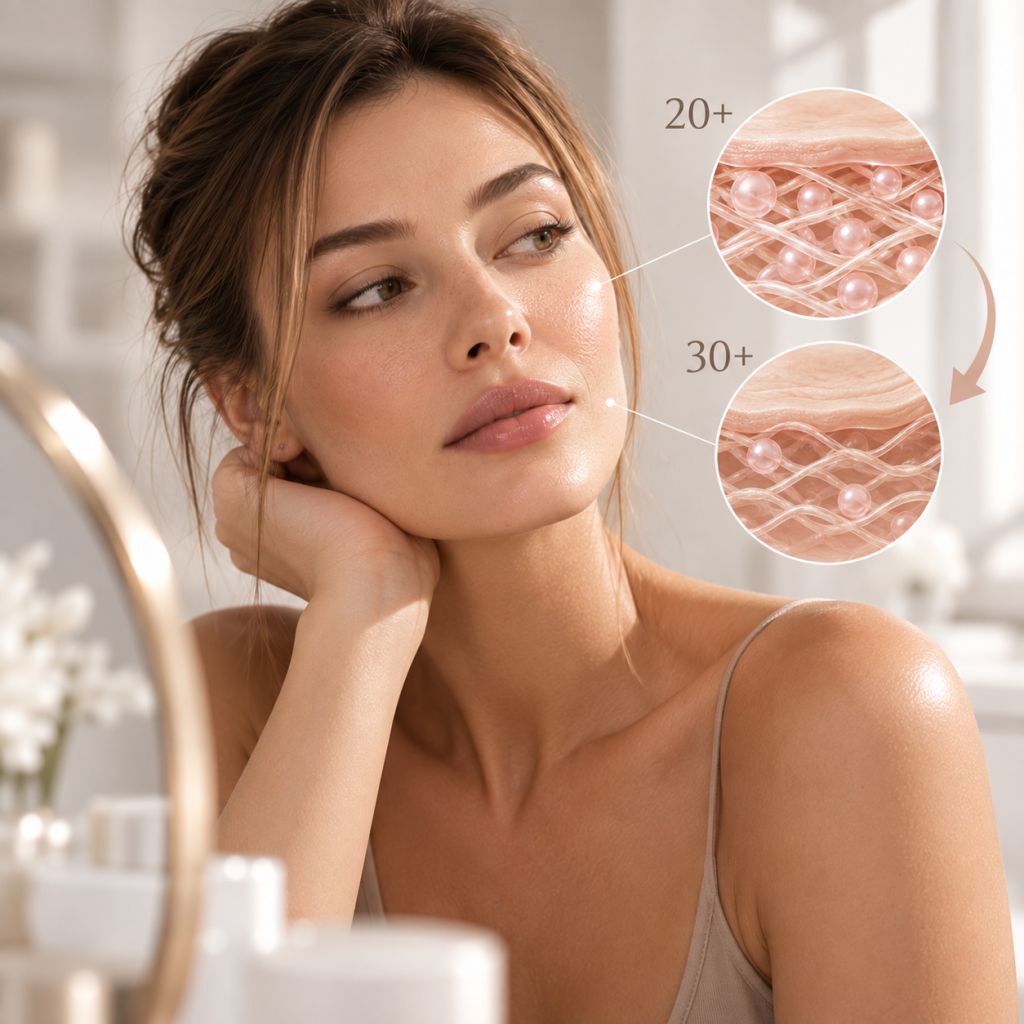
At 25, your skin recovered overnight. At 35, signs of fatigue linger longer, moisturizers don't seem to absorb as well, and those first fine lines no longer disappear after a good night's sleep. This isn't just your imagination or stress — it's chemistry. More specifically, it is the loss of one particular protein without which the skin literally begins to "fall apart." That protein is collagen.
What Is Collagen and Why Is It Crucial for the Skin?
Collagen in the skin is a concept worth understanding once and for all. Collagen is a fibrillar (fibrous) protein that makes up about 75–80% of the dry weight of the dermis and serves as the skin's primary structural "framework." It is responsible for firmness, density, the ability to hold shape, and resistance to mechanical stress.
- Type I — Makes up 80–90% of the dermis; structural collagen. It forms the main framework responsible for strength and density, and it predominates in mature skin.
- Type III — Known as "youthful" or elastic collagen. It is more flexible and dominates in younger skin. Its proportion declines as we age.
Alongside collagen, elastin plays a vital role — a protein that allows the skin to snap back to its original shape. Together, they form a dense, three-dimensional mesh within the dermis that determines the skin's youthful appearance.
How the Body Produces Collagen
Collagen production in the skin is a multi-stage process occurring within fibroblasts — specialized cells in the dermis. Fibroblasts synthesize procollagen, a precursor molecule. Once exported from the cell, procollagen matures, takes on its characteristic triple-helix structure, and assembles into fibers.
For successful collagen synthesis, the body requires Vitamin C (acting as a co-factor for enzymes that hydroxylate proline and lysine), amino acids (glycine, proline, lysine), zinc, and copper. A deficiency in any of these components slows down production or lowers the quality of the fibers — which is why nutrition and overall health directly impact your skin.
Why Collagen Levels Decline After 30
When looking at why collagen production drops after age 30, it is important to separate natural chronological processes from external triggers. Natural aging is inevitable: fibroblast activity decreases, enzymes that break down collagen (matrix metalloproteinases, or MMPs) become more active, and the regenerative capacity of tissues weakens.
According to a narrative review published in Applied Sciences (2026), collagen synthesis declines by 1–1.5% per year starting at age 30. Parallel to this decrease are qualitative changes: the fragmentation of fibers and the disruption of their organization. This is the primary mechanism behind wrinkle formation and loss of firmness.
Factors That Accelerate Collagen Loss
Age is not the only culprit behind dropping collagen levels. The list of what destroys collagen in the skin is extensive:
- UV Radiation: Activates MMPs and inhibits the synthesis of new collagen.
- Smoking: Decreases oxygen supply and elevates free radical levels.
- Chronic Stress: Cortisol directly suppresses fibroblast activity.
- Excess Sugar: Triggers glycation — the "cross-linking" and stiffening of fibers, which reduces elasticity.
- Inadequate Sleep: Cuts short the critical window for nighttime collagen synthesis.
How Collagen Decline Impacts Skin Regeneration
Skin regeneration becomes noticeably slower after the age of 30, a shift directly tied to the state of the collagen matrix. Skin with healthy collagen levels bounces back quickly from micro-injuries, maintains its tone, and responds well to external triggers. When a deficit occurs, the entire regenerative cascade stalls: fibroblasts are less active, new cells form at a slower rate, and the extracellular matrix becomes sparse.
The signs of collagen loss appear gradually:
- Fine lines in areas of high facial expression
- Loss of firmness in the cheeks and jawline
- Deepening of the nasolabial folds
- Changes in skin texture and increased dryness
- A reduced capacity to retain moisture
- A pale, dull complexion
Collagen loss and wrinkles share a direct cause-and-effect relationship: a wrinkle is not simply a crease on the surface, but the structural result of the thinning and disorganization of the dermal collagen layer. A comprehensive systematic review confirms that the decline of Type I collagen remains the central and most thoroughly documented mechanism of dermatological aging.
How to Support Collagen Production Naturally?
Increasing collagen production in daily life requires a systemic approach rather than relying on a single "miracle" product. Three strategies backed by solid evidence include:
- Nutrition: Consuming protein, Vitamin C, zinc, and antioxidants is vital for both synthesizing and protecting collagen. Key sources include citrus fruits, bell peppers, and berries (Vitamin C); eggs, fish, and legumes (amino acids); and nuts and seeds (zinc and copper).
- Sun Protection: Applying SPF 30–50 daily is the most scientifically proven way to slow down photoaging and preserve existing collagen. Even on overcast days, up to 80% of UV rays penetrate cloud cover.
- Lifestyle Adjustments: Quitting smoking and limiting sugar intake remove two independent, aggressive destroyers of collagen.
Active Components That Stimulate Collagen
When it comes to topical skincare for the face, "collagen-infused" creams are ineffective because the collagen molecule is simply too large to penetrate the epidermal barrier. Instead, look for active ingredients that signal your skin to produce its own:
- Retinol: The most clinically proven topical ingredient; it increases dermal density, accelerates cell turnover, and stimulates procollagen production.
- Vitamin C: A necessary co-factor for collagen synthesis and a potent antioxidant. It is especially effective in stable forms like ascorbyl phosphate.
- Peptides: Short chains of amino acids that mimic biological signals, telling fibroblasts to manufacture more collagen.
- Niacinamide: Supports barrier function and minimizes the underlying inflammation that indirectly degrades collagen.
Professional Methods of Collagen Stimulation
While home care is essential, it is limited by its depth of penetration. Clinical procedures designed to stimulate collagen production work directly within the dermis where synthesis actually takes place.
Laser Treatments and RF Therapy
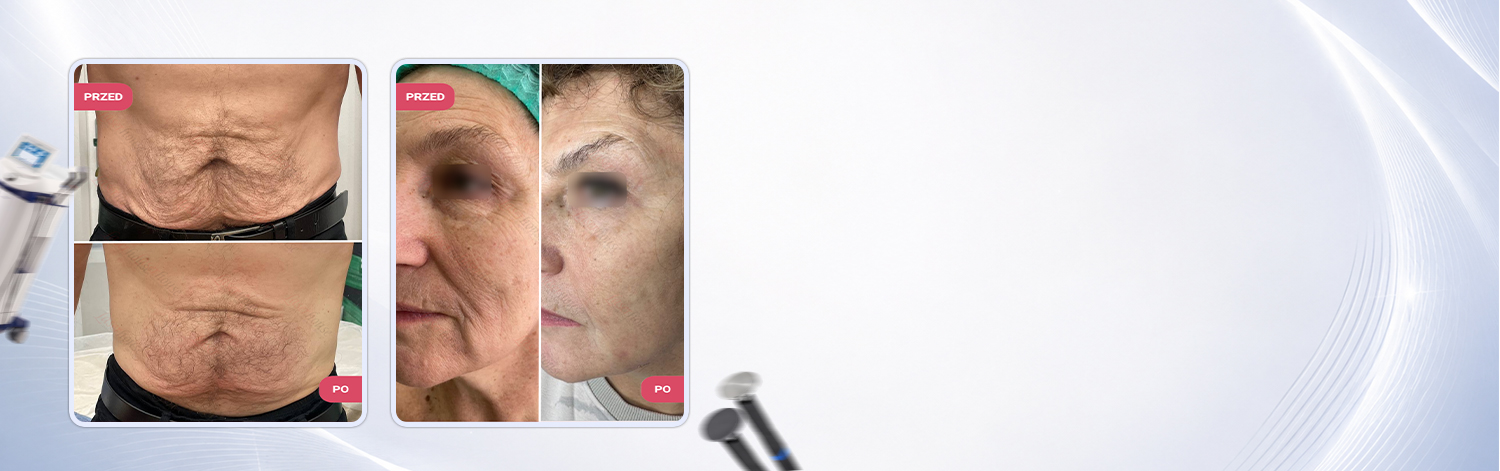
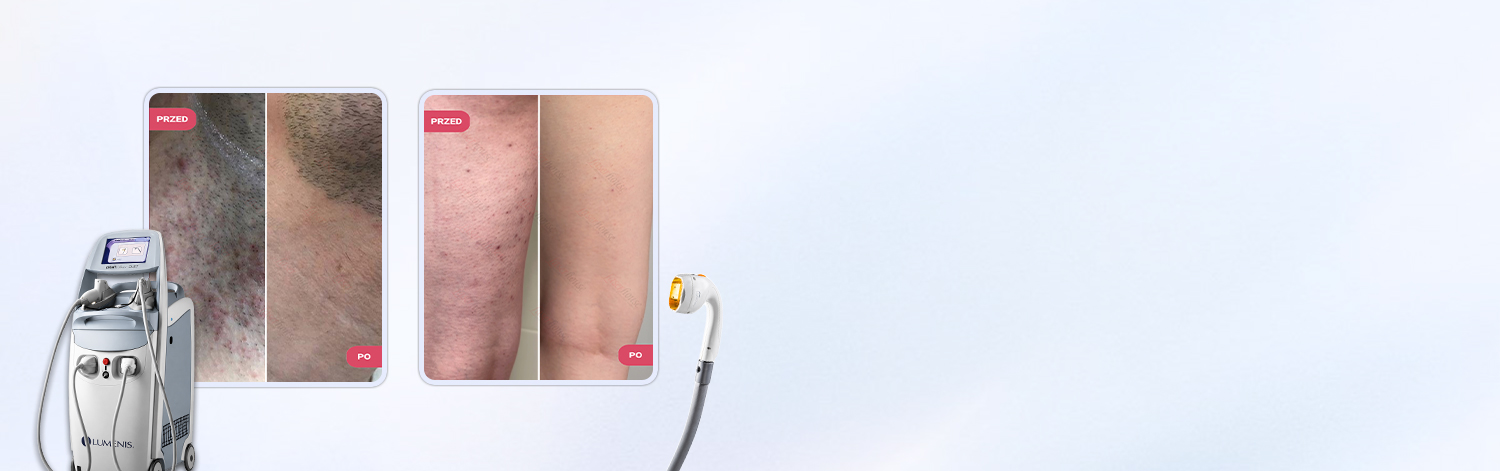
The effects of laser-stimulated collagen production are rooted in controlled thermal impact. Laser beams or radiofrequency (RF) energy heat the dermis, triggering a localized healing response that wakes up dormant fibroblasts. New collagen begins forming in the weeks following the procedure and continues to build over 3 to 6 months.
A systematic review in MDPI Cosmetics, spanning data, confirms that stimulating Type I collagen synthesis remains the primary objective of modern anti-aging treatments. Fractional modalities offer a way to achieve dermal remodeling with minimal downtime.
Other Effective Therapies
- Mesotherapy: Delivers amino acids, vitamins, hyaluronic acid, and peptides directly into the dermis via micro-injections, providing fibroblasts with the raw building blocks required for collagen synthesis.
- Microneedling: Creates controlled micro-injuries that prompt natural regeneration and stimulate new collagen and elastin production without using thermal energy. This procedure pairs exceptionally well with the application of active serums during treatment, as the micro-channels significantly boost ingredient absorption.
When You Should Start Acting Against Collagen Loss
When it comes to halting skin aging and restoring collagen, the answer is always the same: earlier than you think necessary. Prevention is consistently more effective than correction.
- Ages 20–30 (Prevention): Focus on daily SPF, evening retinoids, and getting adequate protein in your diet.
- Ages 30–40 (Prevention + Stimulation): Introduce device-based and injectable clinical treatments in courses 1–2 times a year.
- Age 40+ (Comprehensive Course Approach): Combine multiple modalities for sustained, structural results.
After 30, natural synthesis is no longer enough to offset annual losses. Incorporating targeted stimulation through clinical or injectable methods should be viewed as a proactive, mature approach to skincare rather than a last resort.
Book a consultation and start caring for your skin after 30 At Laserhouse, we customize collagen stimulation protocols to fit your unique skin condition, age, lifestyle, and goals. A professional consultation helps identify the current stage of collagen loss in your specific case, ensuring you receive the most effective treatments without unnecessary procedures.

No reviews or questions yet