












How to Restore Skin After Vacation? The Most Common Mistakes That Worsen Its Condition in Warsaw


Returning from vacation is not just about a tan and pleasant memories. It is also about skin that has been exposed to ultraviolet radiation, salty or chlorinated water, temperature fluctuations, and direct sunlight. Every year at the end of summer, the number of search engine queries like "how to save skin after vacation" increases — and this is no coincidence: it is during this period that people first truly notice how much the condition of their skin has changed. Let's understand why this happens, what mistakes should be avoided, and how to build proper skin regeneration after summer — from home care to professional procedures.
Why Is Skin Often in Worse Condition After Vacation?
The main factor is ultraviolet radiation. UV rays penetrate into the deep layers of the skin, triggering the production of free radicals that damage cells and disrupt the synthesis of collagen and elastin. That is why proper skin care after tanning begins with understanding that a tan is essentially a visible sign of micro-damage to the skin.
The second factor is moisture loss. Sun, wind, and seawater consistently weaken the hydrolipid barrier — a thin protective layer of lipids and natural moisturizing factors that holds moisture inside the skin and protects it from external irritants. When this barrier is disrupted, the skin loses water faster than it can receive it — causing tightness, flaking, and increased sensitivity.
Added to this is the impact of high temperatures and air-conditioned air in hotels, airplanes, and offices upon returning — both factors further dry out the skin. Meanwhile, salty sea water or chlorinated pool water washes away the natural lipid layer, leaving the skin even more vulnerable.
How Does the Sun Affect the Skin Aging Process?
This phenomenon is called skin photoaging — premature skin aging caused by chronic exposure to ultraviolet light, as opposed to natural age-related aging. According to the American Academy of Dermatology, it is cumulative sun damage, rather than age itself, that is the primary cause of most visible signs of facial aging — from fine lines to uneven skin tone.
UV radiation activates enzymes that break down collagen and elastin — proteins responsible for skin firmness and density. Simultaneously, cellular DNA damage accumulates, and melanocytes begin to work unevenly, producing an excess of pigment in some areas and a lack of it in others.
Symptoms Indicating the Skin's Need for Regeneration
Dryness and Skin Dehydration
It is important to distinguish between two conditions that are often confused. Dryness is a skin type associated with insufficient sebum production: such skin requires lipids and nourishment. Dehydration (parched skin after vacation, dehydrated facial skin) is a temporary condition in which the skin specifically lacks water rather than oil, and it can happen even to oily skin.
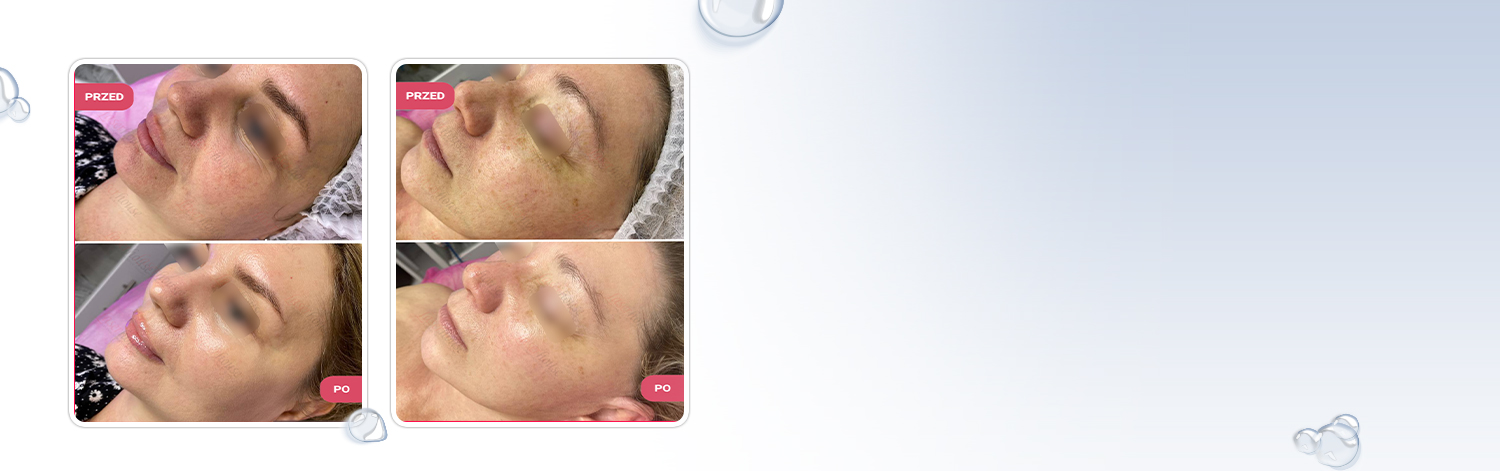
Pigment Spots and Uneven Tone (discoloration after sun exposure)
Hyperpigmentation occurs due to uneven activation of melanocytes in response to UV stress: in areas that received the most sun (forehead, cheekbones, area above the lip), cells produce an excess of melanin. Most vulnerable to this are people with a tendency toward melasma, those who already had pigment spots before, as well as owners of lighter skin phototypes that adapt worse to intense sun. According to dermatologists' observations, lightening such spots is not a fast process: a spot that is only a few shades darker than the natural skin tone usually fades within 6–12 months, while deeper pigmentation can persist for years without proper care and sun protection.
Loss of Firmness and Elasticity
Regular exposure to UV rays damages the structure of collagen fibers in the dermis, so the skin gradually loses density and firmness. The first signs of photodamage are not deep wrinkles, but a fine "fatigue" of the skin: it returns to its original position more slowly after stretching, a slight sagging of the facial contour appears, and the skin feels thinner to the touch.
Earthy Complexion and Skin Roughness
A dull complexion after vacation is the result of accumulated dead cells on the surface of the skin combined with a damaged barrier. When the natural exfoliation process slows down and dehydrated skin reflects light worse, the face looks tired even after a full rest.
The Most Common Mistakes That Worsen Skin Condition After Vacation
Too Aggressive Peels Immediately After Tanning
The desire to quickly remove traces of tan and even out the skin tone is one of the riskiest mistakes: after the sun, the skin is already in a state of micro-inflammation, its protective barrier is weakened, and aggressive mechanical or acid cleansing only deepens the irritation. According to the American Academy of Dermatology, skin after exfoliating procedures becomes more sensitive to the sun and external irritants, so any additional aggressive cleansing during this period increases the risk of inflammation and even post-inflammatory hyperpigmentation.
Refusing SPF Protection in Autumn
Many believe that sunscreen is only needed in the summer on the beach — and this is perhaps the most common and at the same time the most harmful care mistake. In fact, UVA rays, which are most responsible for skin photoaging, remain active all year round and penetrate even through clouds and window glass. As the American Academy of Dermatology notes in its materials on sun protection, the U.S. Department of Health and Human Services and the World Health Organization officially recognize ultraviolet radiation as a carcinogenic factor, and there is no such thing as a safe tan: every episode of sun exposure without protection additionally damages the skin, accelerates its aging, and increases the risk of developing skin cancer.
Ignoring Hydration and Hydrolipid Barrier Restoration
After summer, the skin particularly needs ingredients that hold moisture and restore the protective layer: ceramides, hyaluronic acid, glycerin. Skipping this stage of care prolongs the dehydration cycle and slows down skin recovery.
Attempting Self-Removal of Pigmentation with Home Methods
Attempts to lighten spots with aggressive acids, whitening mixtures, or inappropriate concentrations of active ingredients without consulting a specialist often produce the opposite effect. An incorrectly chosen product can cause irritation, which in turn triggers even greater pigmentation — so-called post-inflammatory hyperpigmentation. The question of how to get rid of skin discoloration after tanning is better left to a specialist rather than experiments from online forums.
Postponing Professional Procedures "For Later"
Many people postpone visiting a cosmetologist until spring, although autumn is the optimal period for initial skin restoration.
How to Effectively Restore Skin After Summer?
Daily Care Supporting Skin Recovery
Facial care after vacation consists of three steps: delicate cleansing without sulfates that further dry out the skin; hydration with products containing hyaluronic acid and ceramides; and saturating the skin with active components — niacinamide, which strengthens the barrier and evens out tone, and vitamin C, which acts as an antioxidant and promotes collagen synthesis.
Diet and Body Water Balance
A systematic review of scientific research in the PubMed database showed that additional water intake positively affects the hydration of the stratum corneum of the skin, especially in people who initially drank insufficient fluids, and also reduces clinical signs of dryness and roughness, somewhat improving skin elasticity. Therefore, facial skin regeneration is about sufficient daily water consumption and a balanced diet with an adequate amount of antioxidants.
When Should You Consult a Cosmetologist?
If after a few weeks of home care the skin still looks dull, pigment spots do not fade, and the feeling of tightness does not pass, this is a signal that self-care measures are insufficient. In such cases, professional diagnostics allow for an accurate determination of what exactly the skin needs.
Professional Procedures for Skin Recovery After Vacation
Laser Skin Rejuvenation
Laser skin rejuvenation is one of the most effective procedures for dealing with the consequences of summer insolation. During the procedure, the laser beam acts on the upper layers of the skin, stimulating the production of new collagen, while thermal action on deeper layers promotes tightening and texture evening.
Regenerating Procedures After the Summer Season
In addition to laser techniques, cosmetology clinics offer a wide range of procedures for facial treatments after summer — from gentle enzyme peels and mesotherapy with hyaluronic acid to biorevitalisation and procedures that stimulate natural cellular renewal. And the best treatments after summer are always determined after skin diagnostics, not by a template.
Why Is Autumn the Best Time for Procedures?
In autumn, the level of ultraviolet radiation is significantly lower than in summer, which means a lower risk of complications after procedures that temporarily increase skin sensitivity to the sun.
How to Care for Skin So It Is in Better Condition After the Next Vacation?
To prevent the question of how to improve skin condition after summer from arising every year, you should change your approach to care to a systemic one:
- Use a cream with SPF daily, regardless of the season and the weather outside — this is the most effective prevention of photoaging.
- Maintain regular skin hydration, not only during periods when it feels noticeably dry.
- Adhere to year-round care with the gradual introduction of active ingredients — retinol, acids, antioxidants — under the supervision of a specialist.
- Plan preventive visits to a cosmetologist 2–3 times a year, not just when the problem is already visible.
- React to the first signs of photodamage immediately — small spots or loss of tone are much easier to correct at an early stage than after a few years.
Take Care of Your Skin Restoration Together with Laserhouse
Every skin type experiences summer differently, so there are no universal solutions here. At Laserhouse, we start our work with detailed diagnostics of the skin's condition to understand what it lacks right now — deep hydration, work with pigmentation, or restoration of firmness. Based on this, specialists select an individual protocol of procedures that takes into account your skin type, its current condition, and goals. If after vacation your skin looks tired and home care does not yield the desired result, a consultation with a cosmetologist is a logical and justified next step.

No reviews or questions yet