









How to prepare the body for the autumn-winter season? in Warsaw
The skin of the body after summer has become accustomed to the sun, humid air, and light clothing — and now it has to adapt to completely different conditions: cold, wind, dry air from heating. Body care in autumn and body care in winter are not about a panicked change of your entire cosmetics collection in one day, but about a conscious, gradual adaptation of habits to the new season.
The question of how to care for the skin in autumn and how to care for the skin in winter concerns many people who notice the same changes in the condition of their skin every year but do not always know how to respond to them systematically. In this article, we will examine exactly what changes in the skin of the body in autumn and winter and how to maintain its comfort without unnecessary pressure regarding an "ideal" appearance.
Why does the body need different care in autumn and winter?
Seasonal environmental changes directly affect the condition of the skin. In summer, the skin is adapted to warmth and increased air humidity, but with the onset of cold weather, conditions change dramatically — and the skin does not have time to adapt instantly, so some transitional discomfort at the beginning of the season is a normal phenomenon. That is why proper skin care in autumn and winter should differ from the summer routine — what worked well during the warm months may prove insufficient during the cold season, and this is not a mistake in your choice of cosmetics, but a natural seasonal difference in the skin's needs.
Cold, wind, and heating — impact on skin condition
Low air temperature reduces the blood supply to the skin, while cold wind additionally dries out its surface, disrupting the integrity of the upper protective layer. But the key factor is heated indoor spaces: the air humidity in them often drops to a level significantly lower than what is comfortable for the skin.
A 2023 study published in *Skin Research and Technology* showed that spending several hours in a dry room in the winter, with humidity below 20%, alters skin parameters. For comparison, the humidity level that is comfortable for the skin is significantly higher, so the difference is felt very clearly. Constant changes between the dry warmth indoors and frosty air outside are an additional burden that the skin experiences every day, especially in people who frequently move between outdoors and the office or home.
How does the skin of the body change after summer?
After summer, the effects accumulated over several months of increased exposure — sun, heat, frequent contact with chlorinated or salt water — often become apparent on the skin of the body. Therefore, autumn is a good time to pay attention specifically to skin regeneration after summer: proper body care after summer helps the skin recover before the additional burden of cold weather is added.
Dryness, roughness, and weakening of the protective barrier
Dry body skin in autumn is a common phenomenon: the skin becomes rough to the touch and may peel on the elbows, shins, or other areas with a naturally thinner layer of sebaceous glands. This is often associated specifically with a weakened hydrolipid barrier, due to which the skin loses the ability to retain moisture as effectively as in summer. Closer to the middle of winter, dry skin in winter usually becomes even more pronounced, as the prolonged effect of indoor heating is added to the seasonal factors.
Uneven tone and pigmentation
Pigment spots or uneven skin tone on the body, accumulated over the summer due to ultraviolet exposure, often become more noticeable specifically in autumn, when the tan gradually fades and the skin returns to its natural shade. This is a normal, expected process, not a reason to panic — simply a signal to give the skin a little more attention during this transitional period, particularly through gentle exfoliation and continued sun protection.
How to prepare the body for the autumn-winter season step by step?
How to prepare the skin for winter is a question that should be considered as a sequence of practical steps, rather than one "magical" change or one product that will solve all problems at once. Below are several specific areas to start with.
Take care of gentle cleansing
A hot shower or bath in winter is a temptation understandable to everyone, especially after a long day in the cold, but it is precisely this that often increases skin dryness. The American Academy of Dermatology recommends limiting showers or baths to 5–10 minutes, choosing warm rather than hot water, and using a mild, fragrance-free cleanser. This simple step significantly reduces overdrying of the body skin during the cold season. Additionally, it is worth patting the skin with a towel rather than rubbing it, since intense friction can further irritate already sensitive skin.
Regularly moisturize and nourish the skin
The key to effective care is a combination of three types of ingredients: humectants (hyaluronic acid, glycerin), which attract moisture from the air and deeper layers of the skin; occlusives (shea butter, petroleum jelly), which seal it on the surface and prevent evaporation; and emollients (ceramides, fatty acids), which fill the spaces between skin cells and restore its smoothness.
Skin hydration in winter is effective precisely when these three types of ingredients work together rather than separately — a humectant without an occlusive over it loses a significant part of its effectiveness in dry winter air. For the body during the cold season, it is worth choosing denser textures — a cream or balm instead of a light summer lotion.
Introduce exfoliation sensibly
In winter, the skin often becomes more sensitive, so the intensity and frequency of peels should be reduced compared with the summer period. Overly aggressive or too frequent exfoliation can further damage the already weakened barrier instead of improving skin texture. One or two gentle exfoliation sessions per week are enough, and it is better to choose mild rather than abrasive formulas — at least until the skin restores its usual comfortable condition.
Do not forget about sun protection
Many people stop using SPF as soon as the beach season ends, although ultraviolet radiation is present all year round, including on cloudy winter days, when clouds allow a significant portion of UVA rays to pass through. This especially applies to exposed areas of the body — hands, face, neck — which continue to come into contact with the sun even in winter, particularly during walks or winter sports.
How does lifestyle affect the condition of the body in autumn and winter?
Regular physical activity improves blood circulation, which has a positive effect on supplying the skin with oxygen and nutrients, even if in winter there is less desire to go outside. Adequate sleep gives the body time for natural cellular recovery, while a balanced diet with a sufficient amount of healthy fats and antioxidants provides the building blocks for skin health.
Sufficient water intake remains important in winter as well, although the sensation of thirst naturally decreases during the cold season — therefore, it is worth consciously monitoring your drinking regimen rather than relying only on sensations. Heated indoor spaces additionally "dry out" the body from the inside, so hydration in winter deserves no less attention than in summer.
What mistakes should be avoided in body care in autumn and winter?
The most common mistakes of this season are:
- showers or baths that are too hot and too long, which dry out the skin;
- excessive exfoliation, which further weakens the barrier;
- skipping moisturization immediately after a shower, when the skin retains moisture best;
- using cosmetics selected in summer without adapting them to the skin's new needs;
- as well as completely giving up SPF because it is the "off-season."
Another common mistake is expecting an immediate result: the skin needs time to restore a comfortable condition after changing the routine, and this is a normal, gradual process.
Why can autumn and winter be a good time for cosmetology procedures?
Reduced solar activity in autumn and winter lowers the risks associated with certain procedures — particularly peels or methods that temporarily increase the skin's sensitivity to UV radiation. This also provides more time for the skin to fully recover before the beginning of the next summer season with high solar activity.
However, specific preparation rules and restrictions always depend on the type of procedure, so an individual consultation before the course remains mandatory rather than a formal recommendation. The specialist will assess whether a specific method is suitable right now, taking into account the condition of the skin, lifestyle, and any planned trips to warm countries during the course.
What body procedures should be considered in autumn and winter?
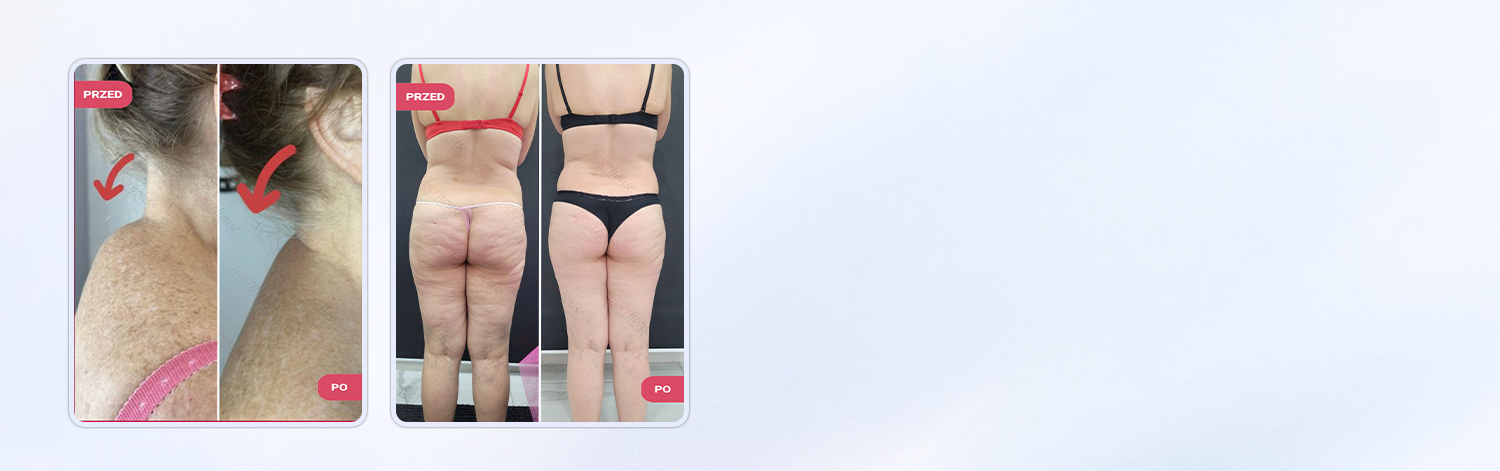
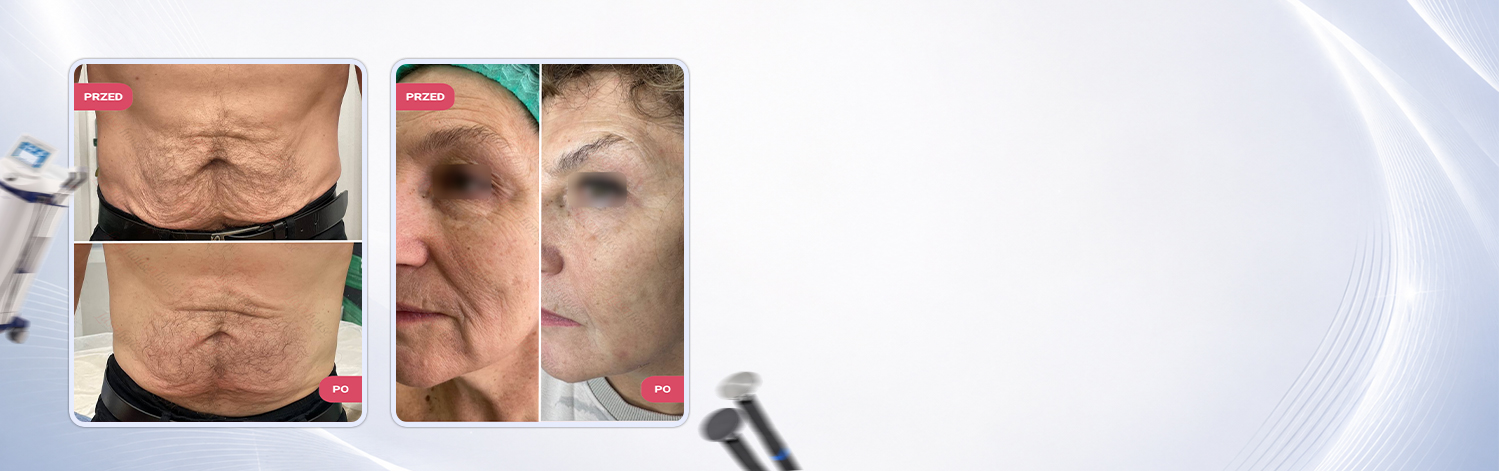
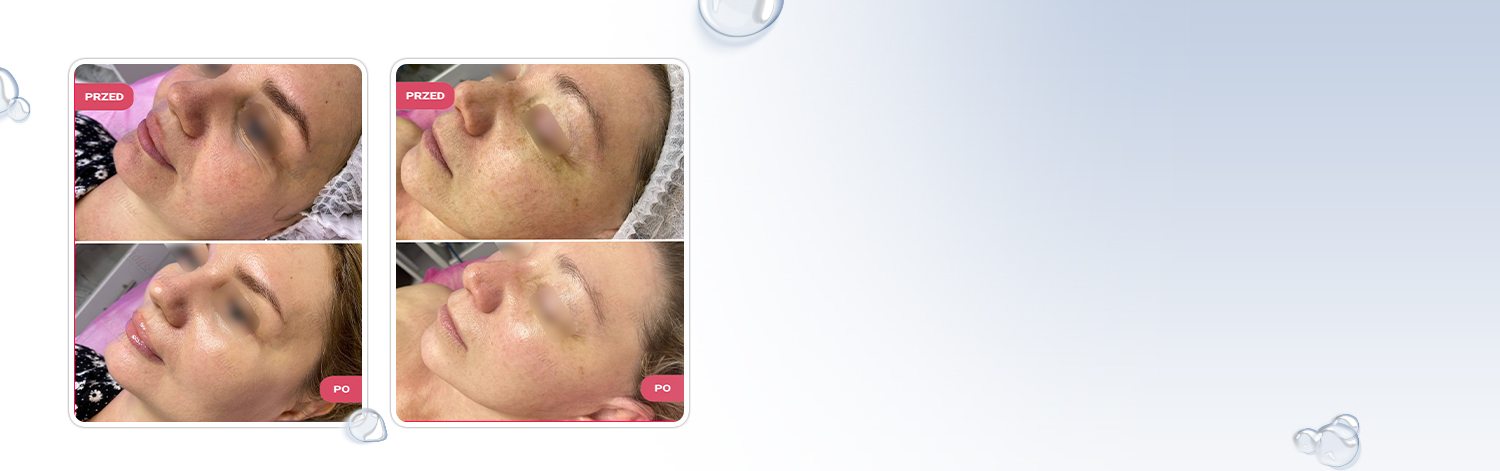
Body procedures in autumn and body procedures in winter at Laserhouse can be conditionally grouped according to the skin's needs. Moisturizing and biorevitalizing methods are suitable for deep hydration and barrier restoration. For working with skin texture and the visibility of cellulite — methods such as Endosphere or endermology, which we discussed in detail in previous materials. For improving skin tone and evenness — gentle peels, which are tolerated more comfortably specifically during this season due to lower solar activity.
Cosmetology in autumn provides an opportunity to work calmly and consistently on the condition of the body skin without the risks characteristic of the summer period, when even gentle procedures require significantly stricter adherence to sun protection.
How to combine home care with professional procedures?
A home routine and cosmetology procedures in winter work best specifically as a pair: consistent daily care maintains the basic condition of the skin between sessions, while professional procedures provide a deeper, targeted effect that is difficult to achieve independently. Neither of these elements replaces the other — they complement each other. For example, a moisturizing procedure in a cosmetologist's office will provide a significantly longer-lasting effect if the skin receives daily support at home in the form of a high-quality cream and sufficient hydration.
Prepare your body for the cold months with Laserhouse
The autumn-winter season is not a reason for stress because of changes in the condition of the skin, but an opportunity to give the body a little conscious attention: gentler cleansing, deeper hydration, continued sun protection and, if desired, professional support. The goal is not an "ideal body," but comfort and a healthy skin condition that is pleasant to live with all year round, regardless of the weather outside.
Laserhouse specialists will conduct a consultation, assess the current condition of your skin, and help select procedures that meet your specific needs this season — without exaggerated promises or unnecessary pressure. Book a consultation today and prepare your body for the cold months consciously, with attention to what your skin really needs.

No reviews or questions yet