












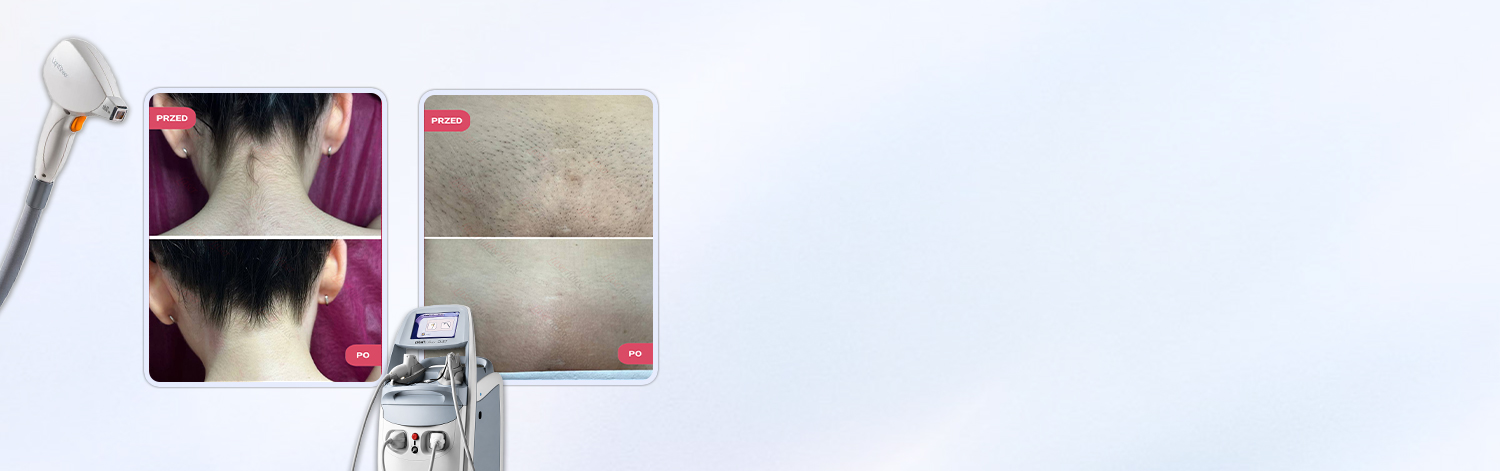
How does laser affect the skin? The mechanism explained in simple terms in Warsaw

What is a laser, actually?
Before understanding how a laser works on the skin, it is worth briefly explaining what a laser actually is and how it differs from ordinary light.
A laser is a special type of light that can be described as a highly concentrated and precise beam of energy. While ordinary light, such as from a lamp or the sun, spreads in many directions, laser energy moves in a narrow, directed beam.
This is why laser technology in cosmetology has become so popular. Thanks to its precision, a laser can target specific structures in the skin without damaging the surrounding tissues.
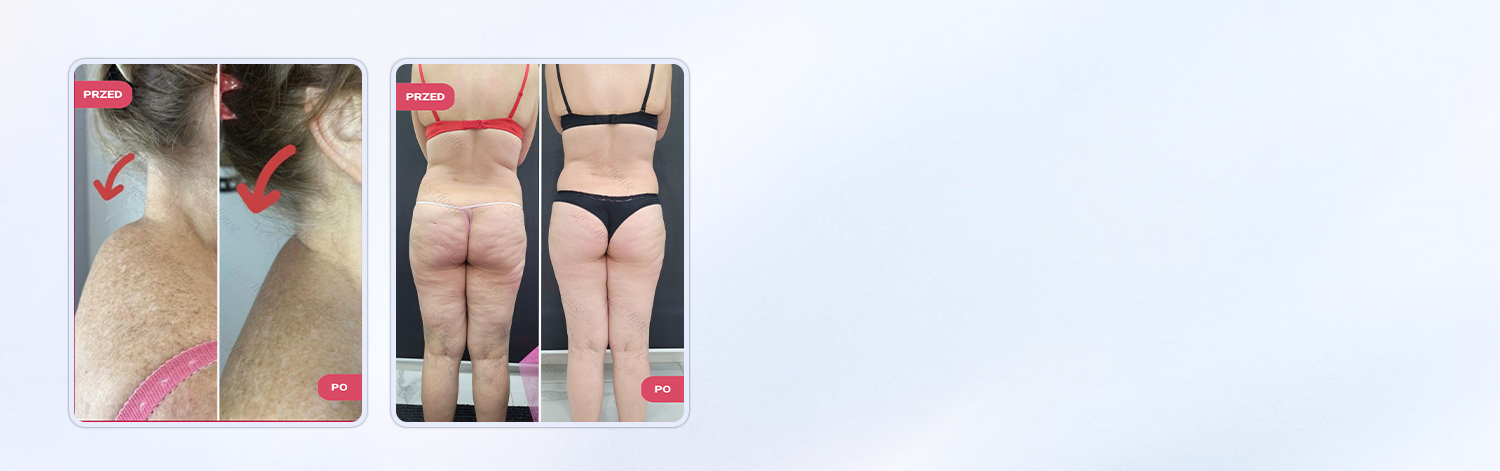
In modern aesthetic medicine, the action of lasers in cosmetology is used for many purposes — from removing unwanted hair to improving skin texture and stimulating skin rejuvenation.
How does a laser work on the skin — the mechanism of cosmetic laser action?
Many people feel nervous before their first visit to a cosmetologist and want to understand what a laser actually does to the skin during the procedure.
In fact, the mechanism is quite logical and is based on physical processes involving the interaction of light and tissue.
To explain the mechanism of cosmetic laser action, it is important to understand the main stages of laser operation.
Penetration into the skin
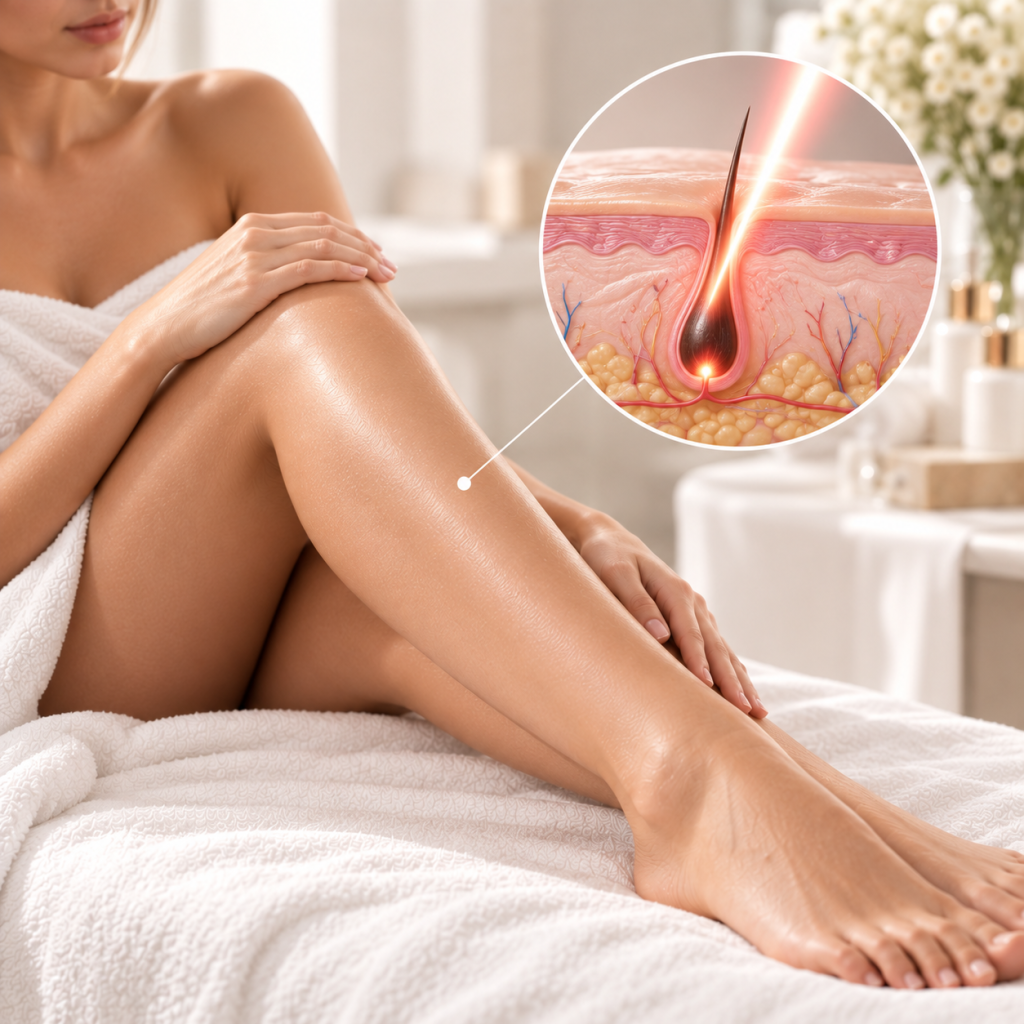
During the procedure, the laser beam passes through the upper layers of the skin and reaches a specific target. This target may include:
- hair pigment (melanin),
- small blood vessels,
- cells responsible for collagen production.
Depending on the device parameters, laser treatments can penetrate the skin at different depths. That is why different lasers are used for different procedures.
Thermal effect
When tissues absorb laser light, the energy turns into heat. This creates a controlled thermal effect.
This explains how laser energy affects the skin. Heating may cause:
- destruction of the hair follicle,
- closure of small blood vessels,
- stimulation of cell renewal.
So the laser does not only affect the surface of the skin — it also activates natural regeneration processes.
Selective action
One of the most common concerns among clients is whether a laser damages the skin.
In reality, modern laser technologies work according to the principle of selectivity.
This means that laser energy is absorbed mainly by specific targets — for example hair pigment, a blood vessel, or a pigmentation spot. The surrounding tissues barely react to light of this wavelength.
That is why laser treatments act precisely and are safer than many people assume.
Various applications of lasers in cosmetology
Today, laser technology in cosmetology has a wide range of applications. The same principle of laser action can be used for many aesthetic procedures.
The most common include:
- laser hair removal,
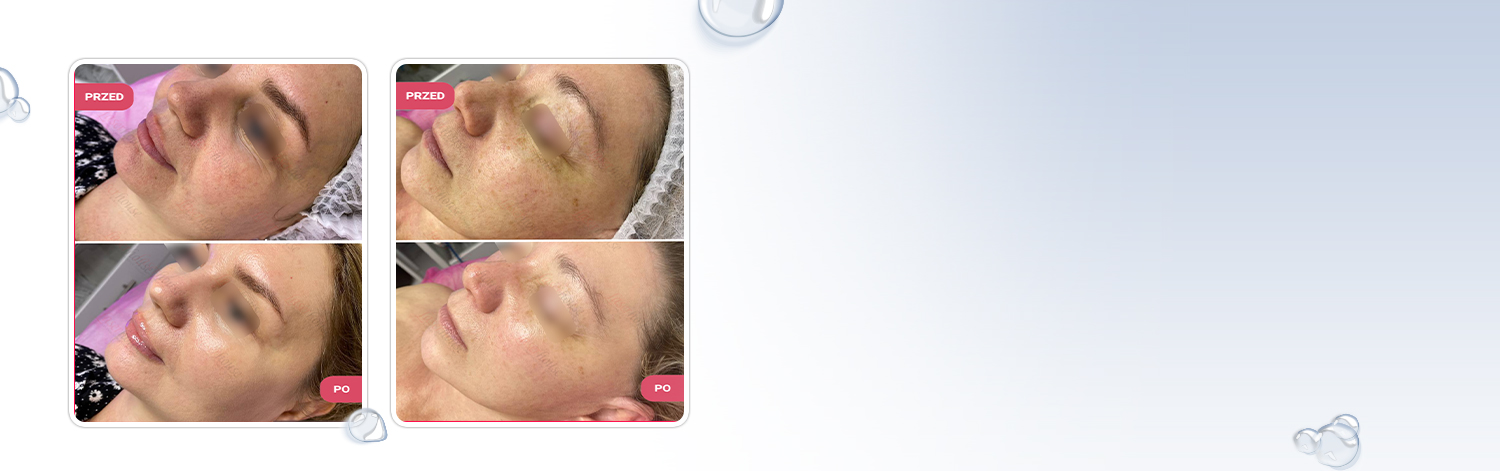
- skin rejuvenation,
- acne treatment,
- pigmentation removal,
- hair loss treatment,
- vascular lesion removal.
In each case, the action of the laser may differ slightly depending on the energy parameters, penetration depth, and treatment goal.
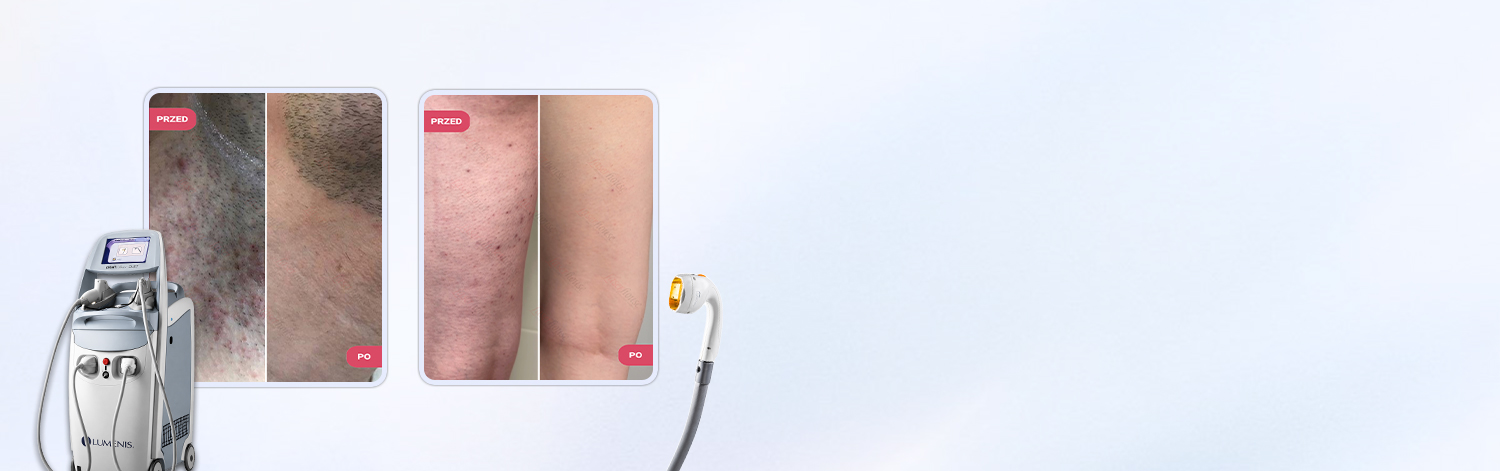
How does a laser remove hair?
One of the most popular procedures among both women and men is laser hair removal, and many people ask how it works.
The principle is based on the interaction between the laser and hair pigment. The light is absorbed by melanin located in the hair shaft and follicle. The energy then turns into heat, which damages the hair follicle.
This is how laser hair removal works. After the follicle is damaged, the hair either stops growing completely or becomes much weaker.
However, it is important to understand that hair grows in cycles. Therefore, laser hair removal requires a series of procedures to effectively target hairs in different growth phases.
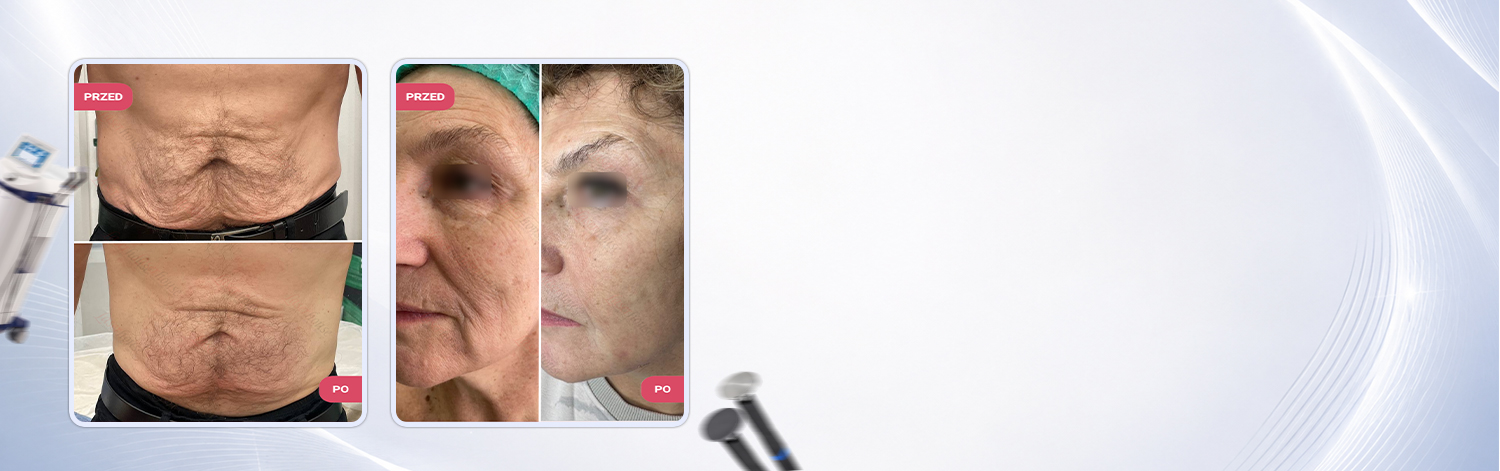
How does a laser rejuvenate the skin?
Laser technologies are also widely used for skin rejuvenation. In this case, the principle is based on stimulating the skin’s natural regeneration processes.
During the procedure, microscopic thermal impulses are created in the skin. These impulses trigger regeneration and stimulate collagen production.
Collagen is a protein responsible for skin firmness and elasticity. As we age, collagen production decreases, making the skin less firm.
When new collagen production begins, the effects of laser treatment become noticeable within a few weeks:
- the skin looks smoother,
- its firmness improves,
- fine wrinkles become less visible.
This is why laser treatment is often associated with natural rejuvenation.
Does it hurt? What does the skin feel?
One of the most common questions from clients is what the skin feels during laser treatment.
Sensations vary from person to person, but most people describe them as mild tingling or brief warmth on the skin.
Modern devices are equipped with cooling systems that significantly reduce discomfort.
Curious about what a laser procedure looks like? The specialist moves the device handpiece over the skin while the machine emits short pulses of light. Depending on the treatment area, the procedure may last from a few minutes to about an hour.
Is laser treatment safe for the skin?
Many people ask before their first visit whether laser treatment is safe for the skin.
When used properly, modern laser systems are considered safe. They undergo clinical testing and have international safety certifications.
The most important factor is proper parameter selection and the experience of the specialist.
Before the procedure, a consultation is always conducted to assess:
- skin condition,
- skin phototype,
- possible contraindications.
The relationship between laser treatment and skin type is also evaluated, as different skin phototypes may respond differently to light energy.
What skin types can laser treatment be used for?
In the past, it was believed that laser treatments were suitable only for people with light skin and dark hair. Today this has changed. Modern technologies allow specialists to adjust laser parameters for different skin phototypes.
Thanks to new technologies, it is even possible to treat thinner or lighter hair, although effectiveness always depends on individual characteristics.
Book a consultation and find out how laser works on your skin
Although the principles of laser technology are well understood, every person’s skin reacts differently. That is why the best way to understand how a laser works on your skin is to attend a personal consultation.
During the consultation, a specialist at Laserhouse will assess your skin condition, explain how the procedure works, and recommend the most effective treatment for you. An individualized approach helps make the procedure as effective and comfortable as possible.

No reviews or questions yet