












Radiofrequency in Cosmetology — Facts, Not Marketing in Warsaw

"RF tightens skin in a single session," "radio waves are harmful to the body," "it only works on young skin" — so many myths have accumulated around radiofrequency procedures that it can be hard to separate reality from marketing fluff. Let’s take an honest look, relying on clinical research rather than promotional promises: how RF actually works, what you can expect from the procedure, and who it truly benefits.
What Is Radiofrequency in Cosmetology?
Radiofrequency in cosmetology, or radiofrequency therapy (RF), is a technology that utilizes electromagnetic energy of a specific frequency to achieve controlled heating of skin tissues. Unlike lasers, which operate based on light and pigment, RF works via tissue resistance: energy turns into heat as it passes through the skin, much like a wire heating up under an electric current.
This unique characteristic gives RF a major advantage — the technology works regardless of skin color because it does not depend on melanin absorbing light, unlike many laser techniques. The method is used for face and body lifting, improving skin tone, contour remodeling, and stimulating restorative processes in the dermis. It is this very versatility that has made RF one of the most popular trends in device-based cosmetology over the last decade.
How Radiofrequency Therapy Affects the Skin
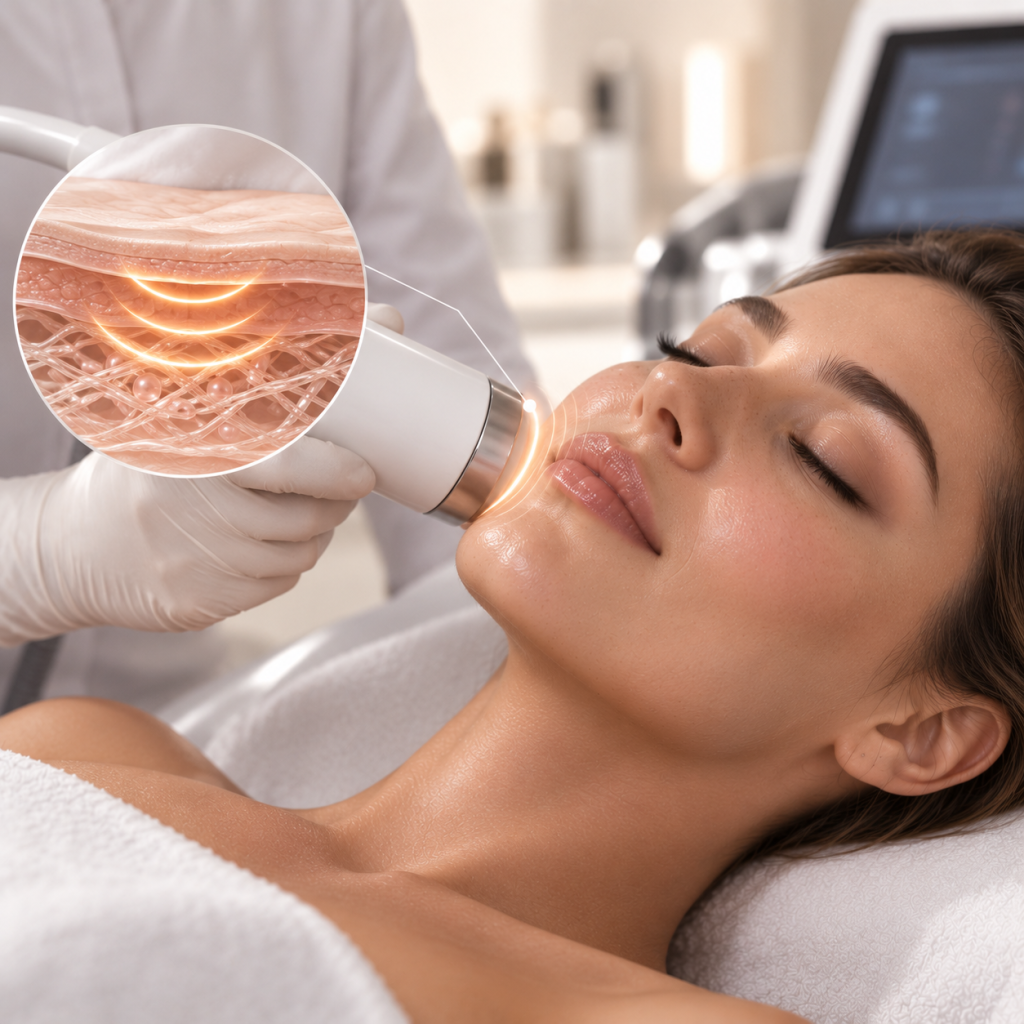
How RF for the face works comes down to its mechanism. RF energy heats the dermis to a temperature of approximately 40–45°C without damaging the epidermis, thanks to the cooling systems integrated into the device handpieces.
With this level of heating, two processes happen simultaneously: an immediate partial denaturation of collagen fibers, causing them to contract and deliver a visible tightening effect right after the procedure, and the initiation of a long-term healing response where fibroblasts are activated to synthesize new collagen.
According to a clinical review published in PubMed (2019), the mechanism of action of radiofrequency involves heating the dermis while preserving epidermal integrity. This induces immediate collagen denaturation followed by subsequent neocollagenesis, naturally providing skin tightening and enhanced elasticity. A separate study in the Journal of Cosmetic Dermatology confirms a statistically significant increase in types I and III collagen after a course of RF treatments — both immediately upon completion of the course and at a three-month follow-up.
Facts vs. Myths About Radiofrequency
There are plenty of exaggerations surrounding RF procedures — ranging from "it's a miracle technology" to "it's dangerous and ineffective." Let's break down the most common claims.
Does RF really work on wrinkles?
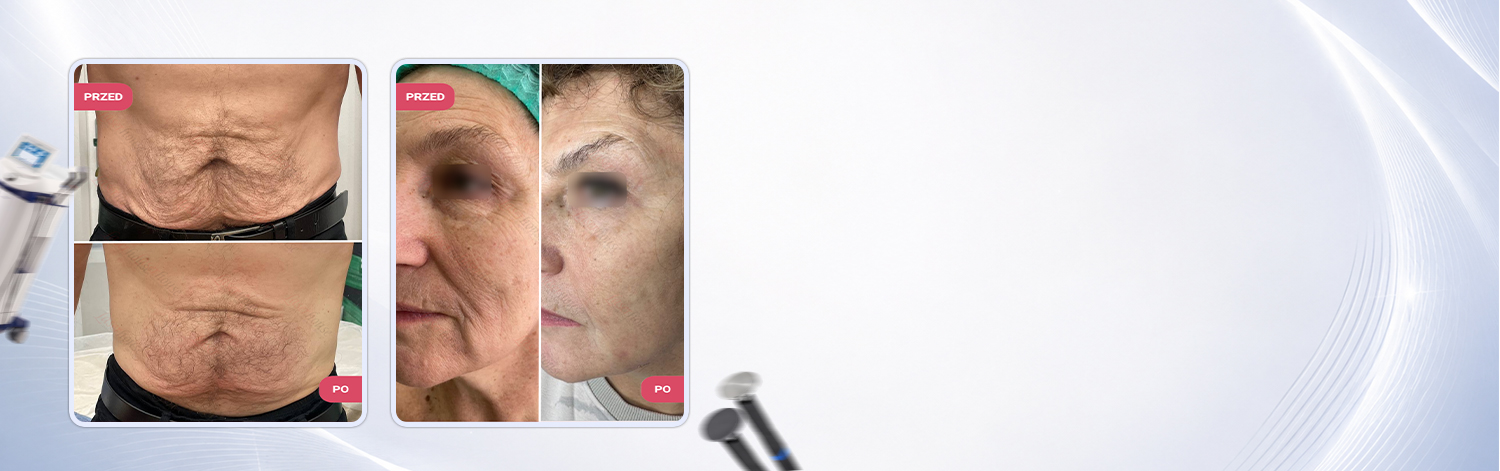
Does RF actually help get rid of wrinkles? Yes, but with a caveat: RF is most effective when working with loss of skin tone, fine to medium wrinkles, and sagging of the facial oval.
- Myth: RF erases any wrinkles, including deep expression and static lines
- Fact: RF is highly effective for fine to medium wrinkles and loss of tone; deep wrinkles require alternative or combined modalities.
Whether radiofrequency is effective depends heavily on realistic expectations: RF is a correction method, not a replacement for surgery when dealing with significant age-related changes.
Are the effects instant and lasting?
This is where one of the most widespread myths lies. There are two levels of effect: an immediate one, noticeable right after the procedure due to the contraction of collagen fibers, and a delayed one, which forms over several weeks through the synthesis of new collagen. Radiofrequency lifting before-and-after results usually showcase this second, cumulative outcome — it lasts longer but requires time and, as a rule, a course of treatments rather than a single session.
Is the procedure painful and dangerous?
Most modern RF devices are equipped with cooling systems, so the procedure is predominantly accompanied by a sensation of warmth and light tingling rather than sharp pain. Whether radiofrequency lifting is safe is a question science answers affirmatively, provided protocols are followed: correct parameter selection, specialist qualification, and consideration of contraindications. Risks arise mainly when temperature limits are ignored or when non-professional equipment is used.
What Effects to Expect After RF?
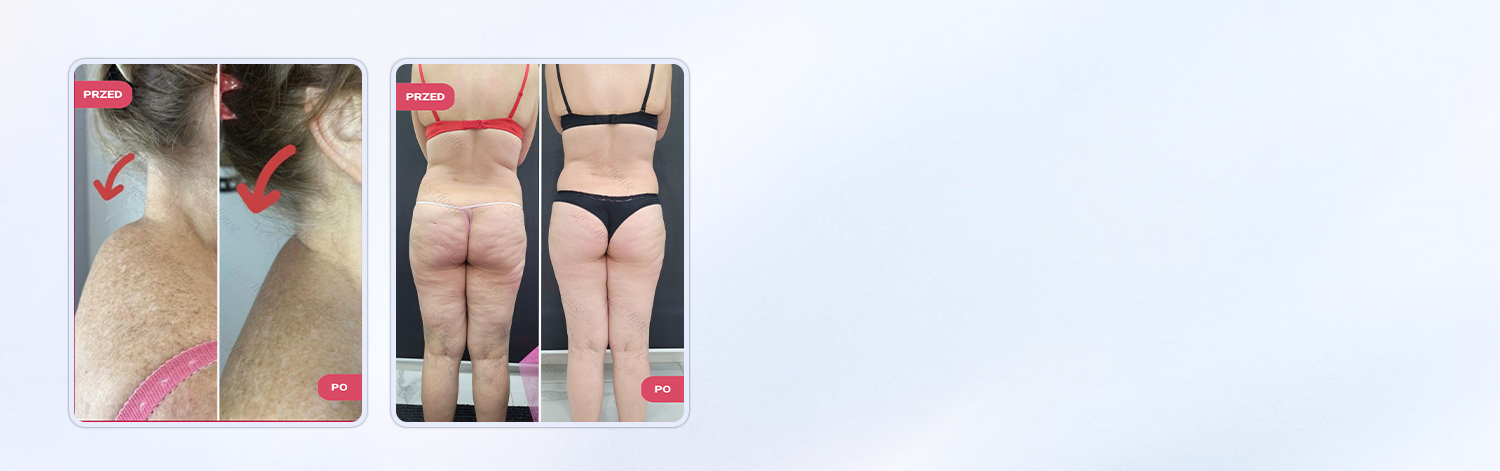
The effects of RF for the skin span several areas: improving skin firmness and density, visible pore reduction, texture evening, minimizing fine wrinkles, and enhancing face and body contours. The effects of RF procedures for the body also cover fighting skin laxity after weight loss and improving the overall tone of problem zones.
- Immediately: Subtle tightening due to collagen contraction.
- 2–4 Weeks: Fibroblast activation, first signs of renewal appear.
- 2–3 Months: Cumulative effect from newly formed collagen.
It is vital to understand that RF does not "erase" deep static wrinkles and does not replace volumetric correction with fillers or a surgical facelift. It is a method of stimulating the skin's own resources, not an overnight transformation. The outcome always depends on the initial state of the tissues, age, and individual collagen metabolism characteristics, so one should not expect an identical effect for everyone.
After how many procedures is the result visible?
How many RF procedures are needed depends on the skin condition, age, and specific goals. For a maintenance effect and aging prevention, a course of 4–6 procedures with an interval of 1–2 weeks is usually sufficient. In cases of pronounced loss of tone or after significant weight loss, the course may consist of 6–10 procedures. Maintenance sessions once every few months help preserve the results longer.
Who Benefits from RF Procedures?
RF therapy is indicated for:
- First signs of skin firmness loss
- Fine and medium wrinkles
- Sagging facial contours
- The need for body contour remodeling
- Postpartum correction of abdominal skin
- Loss of tone following weight loss
The technology is suitable both for prevention at a younger age — when it is important to support natural collagen synthesis before distinct signs of aging appear — and for the correction of more pronounced age-related changes when extra stimulation of weakened tissues is required.
When to choose RF over other procedures
A facelift without a scalpel using RF is the optimal choice for those looking for a non-invasive alternative to surgical tightening, or those wanting to combine several methods for a comprehensive result.
Lasers, on the other hand, perform better with superficial issues — pigmentation, texture, enlarged pores — because they act through light absorption by specific skin structures. Often, the best and most sustainable result comes from a combination of technologies tailored individually to the client's specific request and skin condition.
Contraindications and Safety of RF Procedures
Contraindications to RF include:
- Pregnancy and lactation
- Pacemakers or other electronic implants
- A history of oncological diseases
- Acute inflammatory processes and skin infections in the treated area
- Severe forms of diabetes mellitus
- A predisposition to keloid scarring
Before the procedure, a consultation with a specialist is mandatory. They will evaluate your skin condition and individual contraindications, as self-assessing risks without a medical background is often inaccurate.
Good to know: Studies show that overheating tissues beyond a safe temperature threshold can indeed cause damage. This is why automated temperature control by the device and the operator's expertise are critical factors for a safe procedure.
Why you should choose proven technologies and specialists
Not all RF devices are created equal — differences in power, temperature control precision, and handpiece quality significantly affect both safety and results. Face RF-lifting reviews often depend precisely on the quality of the equipment and the specialist's experience, rather than the technology itself. A qualified specialist adjusts parameters individually, considering skin type, age, tissue condition, and the goal at hand — this customized approach is usually what makes the difference between "the procedure didn't work" and a noticeable, stable result.
Microneedle radiofrequency lifting is a distinct, more intensive subset of the technology where energy is delivered via microneedles directly into the deep layers of the dermis, bypassing the epidermis. This allows for targeting more pronounced signs of aging with minimal trauma to the skin surface. Whether RF is worth doing is a question whose answer depends on having realistic expectations and selecting the right protocol for your specific task.
Book a consultation and choose a procedure tailored to your skin
Rejuvenating RF procedures deliver results only when parameters are chosen correctly and expectations are realistic. At Laserhouse, we use proven equipment and design protocols individually — factoring in skin type, age, goals, and potential contraindications. A consultation helps determine if RF is right for you, or if a combination of technologies should be considered for maximum effect.

No reviews or questions yet