











Lymphatic Drainage — When It Is Truly Effective in Warsaw

Do you feel heaviness in your legs, swelling at the end of the day, or notice that cellulite has become more pronounced? Many people face these issues due to a sedentary lifestyle, stress, or hormonal characteristics. Lymphatic drainage (or lymphatic drainage massage) is a procedure aimed at improving the function of the lymphatic system. But does it always provide the result you expect?
Learn in more detail what lymphatic drainage consists of, when it really helps, and when it fails to meet expectations. Find out how to get the maximum effect from the procedure.
What is Lymphatic Drainage
Lymphatic drainage is a physiotherapeutic procedure or massage technique aimed at stimulating the body's lymphatic system.
The lymphatic system is a part of the immune system responsible for removing excess fluid, toxins, and metabolic waste products from tissues. Unlike the circulatory system, lymph does not have a "pump" (the heart) and moves only through muscle contractions, breathing, and external influence. When this movement slows down, edema (swelling), heaviness in the legs, and stagnation occur.
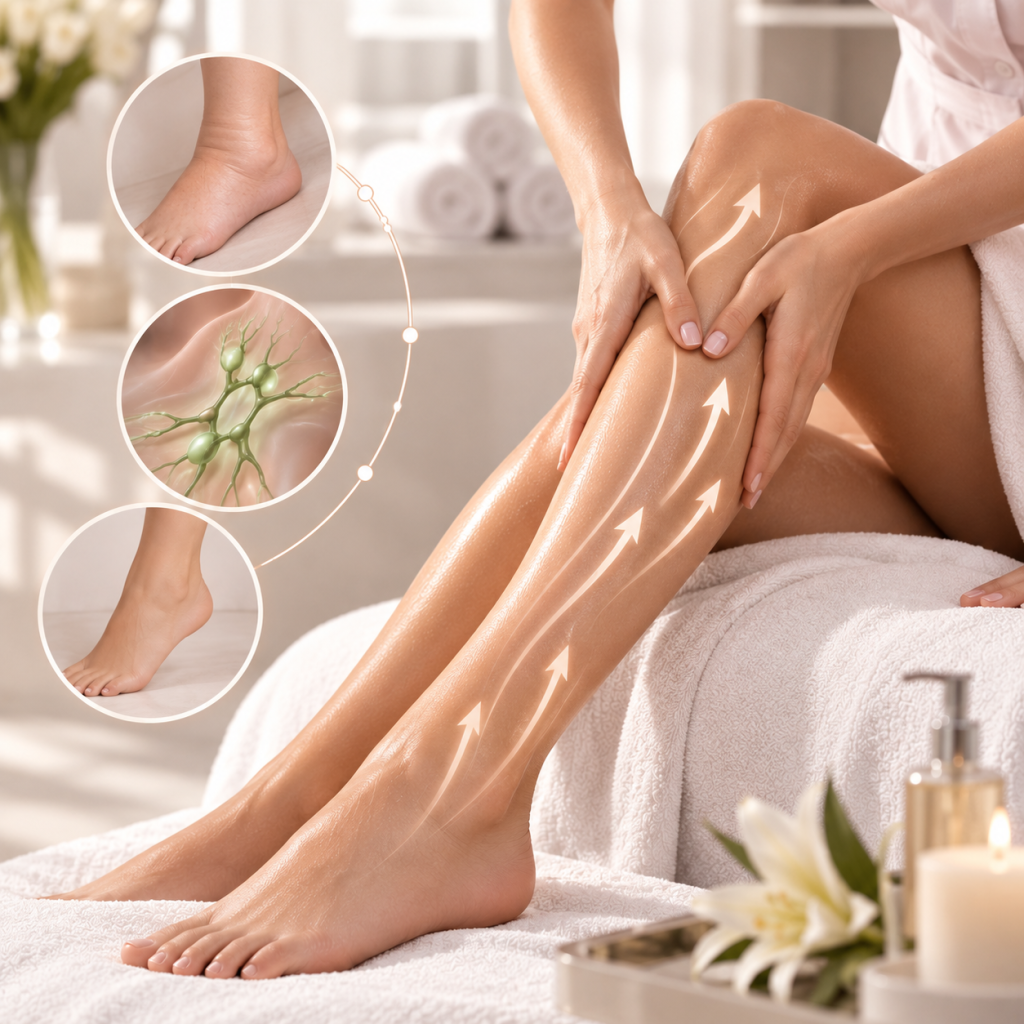
What lymphatic drainage consists of is a soft, rhythmic influence that activates the natural movement of lymph through the vessels toward the lymph nodes. The procedure helps the body more efficiently remove excess fluid and cleanse the intercellular space.
How Lymphatic Drainage Affects the Body
Effects of Lymphatic Drainage
Lymphatic drainage is directed toward restoring the natural flow of lymph. The lymphatic system performs a vital drainage and immune function: it collects excess fluid, proteins, toxins, and metabolic waste from the intercellular space and removes them from the body.
During the procedure, a specialist or a machine performs rhythmic, gentle movements that "push" the lymph in the right direction — from the periphery to the lymph nodes and then into the venous bloodstream.
Effects of Lymphatic Drainage Massage:
- Active removal of excess fluid and reduction of edema;
- Improvement of blood and lymph microcirculation;
- Acceleration of waste and toxin elimination;
- Reduction of inflammatory processes in tissues;
- Improved supply of oxygen and nutrients to cells;
- Stimulation of the body's immune response.
When Lymphatic Drainage Is Truly Effective
When Lymphatic Drainage Helps
Lymphatic drainage is most effective in cases where the primary problem is related specifically to lymph stagnation and fluid retention.
Edema and Water Retention
Lymphatic drainage for edema is one of the most common and effective indications. The procedure quickly relieves the feeling of "heavy legs," reduces morning facial puffiness, and evening swelling of the shins and ankles. It is especially helpful for people who spend a lot of time sitting or standing.
Aqueous Cellulite
Lymphatic drainage and cellulite are closely linked when referring to the aqueous (edematous) form of cellulite. The procedure reduces tissue swelling, makes the skin visually smoother, and improves the penetration of other cosmetic products.
Sedentary Lifestyle and Lack of Movement
With a sedentary lifestyle, the lymphatic system works less actively. Indications for lymphatic drainage include the prevention and correction of stagnation in people with office jobs, frequent long flights, or limited physical activity.
Contraindications to Lymphatic Drainage
- Acute deep vein thrombosis and a predisposition to thromboembolism (risk of a blood clot breaking loose);
- Oncological diseases (possible acceleration of metastasis spread);
- Acute infectious and inflammatory processes (SARS, flu, fever, purulent skin lesions);
- Inflammation of lymph nodes (lymphadenitis);
- Severe heart, kidney, or liver failure;
- Acute cardiovascular diseases (aneurysm, acute thrombophlebitis);
- Hemophilia and other blood clotting disorders.
A consultation with a specialist is mandatory before undergoing a course.
When Lymphatic Drainage Will Not Bring the Expected Effects
Lymphatic drainage is not a universal remedy. It has clear limits to its effectiveness.
Adipose and Fibrous Cellulite
In cases of adipose and especially fibrous cellulite, lymphatic drainage alone cannot significantly change the situation. It may slightly improve microcirculation, but it will not affect enlarged fat cells or dense fibrous septa.
Expectations of Weight Loss Effect
Does lymphatic drainage help with weight loss? The answer is — not exactly. The procedure reduces body volume by removing fluid, but it does not burn fat. If you expect significant weight loss, the effect will be temporary and minor.
Types of Lymphatic Drainage (+ Endosphere)
What to Choose: Manual or Machine Lymphatic Drainage
Several effective methods of lymphatic drainage exist. The choice depends on the problem, its stage, and the individual characteristics of the client.
Manual Lymphatic Drainage Massage
Manual lymphatic massage is considered the "gold standard" in working with the lymphatic system. The specialist works with their hands, using a precise technique of light pumping and gliding movements. This method is particularly effective for delicate zones (face, neck, décolleté), pronounced edema, and post-operative recovery. It allows for the most accurate processing of lymphatic pathways and nodes.
Machine Lymphatic Drainage
Machine techniques allow for a deeper and more intense effect on tissues. These include:
- Pressotherapy (pneumocompression) — rhythmic compression with special cuffs;
- Vacuum-roller drainage;
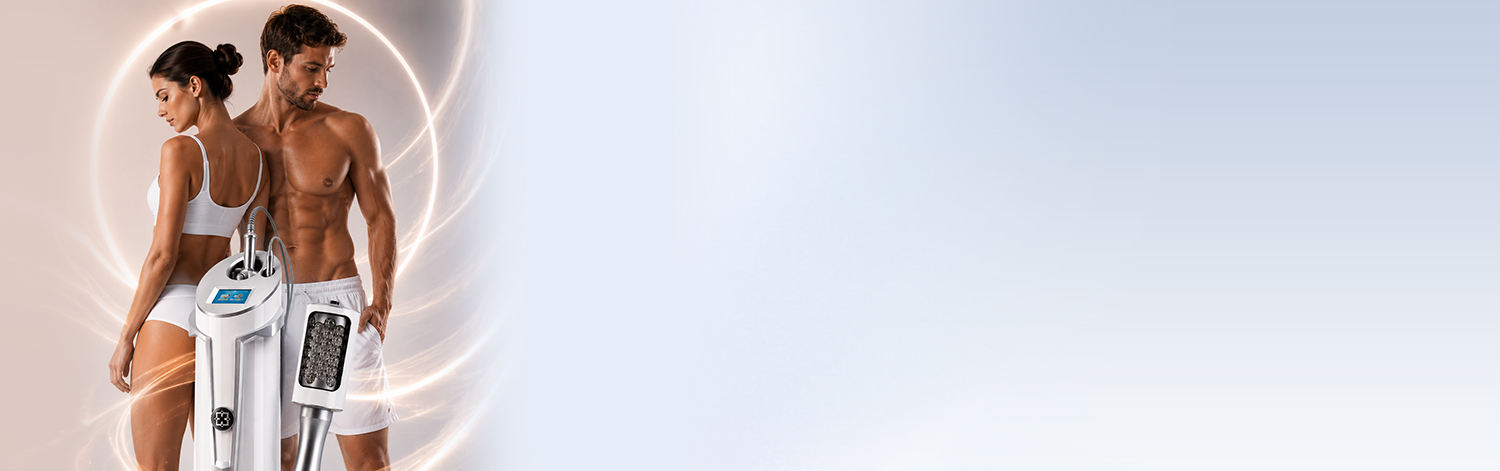
- Endosphere (Endosphere Therapy) — a technology based on micro-vibration and compression using spheres made of hypoallergenic silicone.
Endosphere combines a powerful lymphatic drainage effect with mechanical lipolytic action. It not only actively removes fluid but also improves skin tone, reduces the appearance of cellulite, and models body contours. The procedure is recommended when edema is combined with local fat deposits.
Manual or machine lymphatic drainage — often the best result is achieved by a combination of both techniques within a single course.
How Many Procedures Are Needed and How Long the Effect Lasts
How many procedures are needed for lymphatic drainage is an individual question. For a visible result, a course of 6 to 12 procedures with a frequency of 1–2 times per week is usually recommended.
Maintenance sessions — once every 3–4 weeks. The duration of the effect depends on lifestyle: with proper nutrition, sufficient water intake, and physical activity, the result lasts significantly longer.
The Importance of a Comprehensive Approach
Lymphatic drainage is a powerful but not a standalone tool. To achieve a stable and pronounced result, it is important to combine it with other methods.
A comprehensive approach includes:
- Dietary correction — reducing salt intake, ensuring adequate protein, fiber, and clean water;
- Physical activity — walking, swimming, yoga, or special exercises for lymph flow;
- Hydration — at least 1.5–2 liters of water per day;
- Supportive machine procedures — for cellulite and fat deposits, lymphatic drainage is well complemented by Endosphere, RF-lifting, cavitation, or mesotherapy;
- Home care — contrast showers, dry brushing, and wearing compression garments as recommended.
Only with such a comprehensive influence is it possible to not just temporarily relieve swelling, but to improve the function of the lymphatic system for a long time and prevent the problem from returning.
Book a consultation and discover what lymphatic drainage consists of and if it is right for you
Don't waste time on procedures that may not suit you specifically. The Lazerhouse Center has a large staff of qualified specialists who will conduct a detailed diagnosis of your lymphatic system and create a personalized, effective treatment plan.
Book a consultation today — and get clear recommendations on how to effectively solve the problem of edema, heavy legs, or cellulite.

No reviews or questions yet