











Is Intense Cleansing Safe for Sensitive Skin?

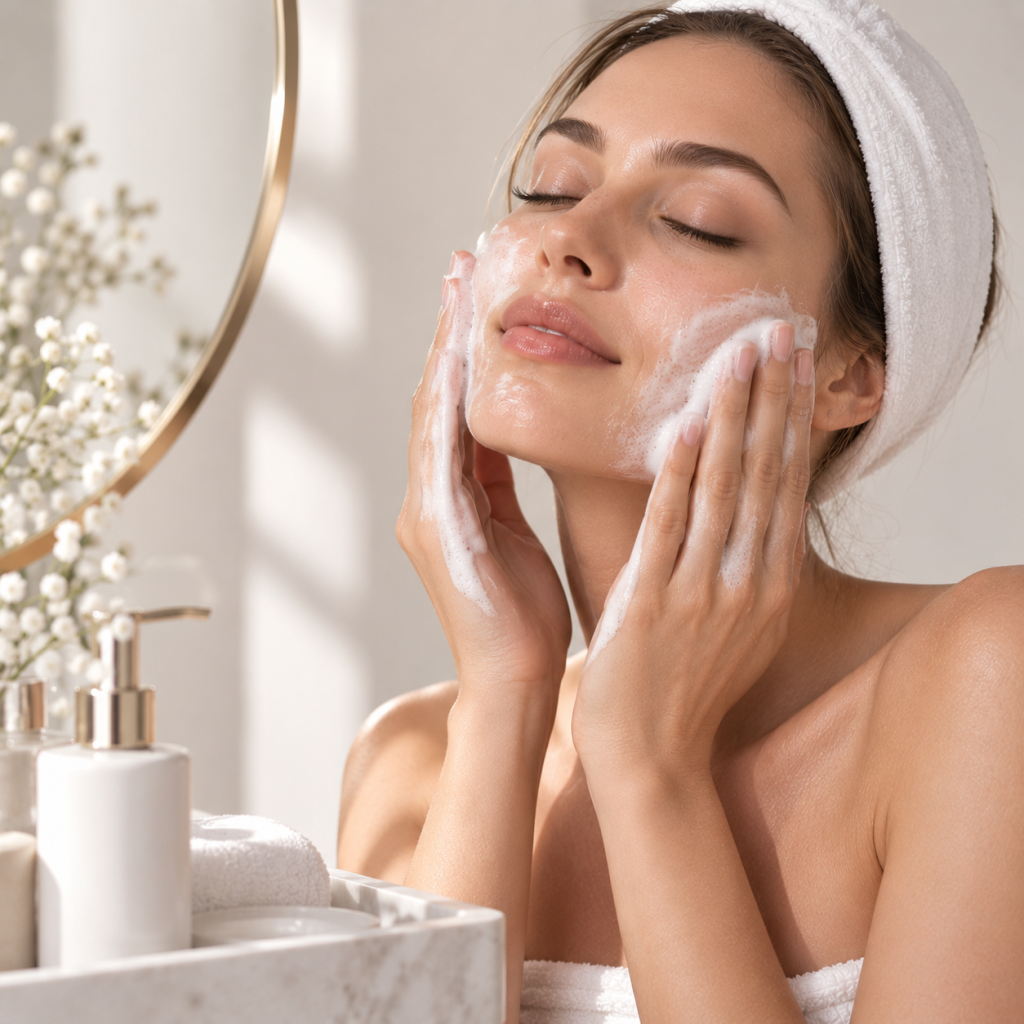
Sensitive skin and a cosmetology office is a combination that many people imagine as risky. Most often, people with sensitive skin worry: what if the redness becomes even stronger? What if the procedure damages the skin? These doubts are completely understandable. But the answer to the question "is intense cleansing safe for sensitive skin" depends on the procedure itself and the qualification of the specialist. Let's break down what exactly it depends on.
What Is Sensitive Skin?
Sensitive skin is not a separate type, but a characteristic that can be combined with any type: dry, oily, combination. It is determined by increased reactivity to external irritants. According to a study in the Journal of the European Academy of Dermatology and Venereology, about 50–60% of women and 30–40% of men in the world describe their skin as sensitive. Reactive skin care requires a special approach and, above all, an understanding of what exactly makes the skin reactive.
The main cause of increased sensitivity is a damaged or weakened hydrolipid barrier. When this protective layer is not dense enough, the skin loses moisture excessively and reacts too easily to various irritants. As a result, we get inflammation, redness, and a burning sensation in response to things that healthy skin does not even "notice."
How to Recognize Sensitive Skin
Cleansing sensitive skin and any procedure for sensitive skin begin with proper recognition. Key signs:
- The skin turns red from cosmetics, water, frost, or wind
- A feeling of tightness or burning after washing
- Reaction to new products — more often negative
- Tendency to couperose or diffuse redness
- Even a gentle massage causes prolonged flushing
- Itching or tingling for no apparent reason
How to care for sensitive skin interests many who are only at the stage of choosing skincare procedures. Aggressive cleansing, active acids without preparation, or an inappropriate procedure can not only irritate the skin — they can increase chronic reactivity, making the skin even more sensitive to subsequent influences. Therefore, the goal of professional care is to support the skin barrier and reduce inflammation.
Can Intense Cleansing Be Safe?
Is intense cleansing safe for sensitive skin — yes, but not in every format. Safety depends on three factors:
- Technology. What method and device are used.
- Parameters. The intensity of the device's action and the duration of the procedure.
- Specialist. No less important factor is the experience and qualification of the specialist performing the procedure.
When Intense Cleansing Can Irritate the Skin
Treatments for skin redness or any active cleansing require a specialist's consultation or are contraindicated in case of:
- Active couperose or rosacea in the acute stage
- Fresh inflamed breakouts in the treatment area
- Damaged barrier after excessive use of acids or retinol
- Sunburns or other burns
- Taking photosensitizing drugs
In all these cases, even a procedure considered delicate can trigger an undesirable reaction — if the skin is already in a state of high readiness to respond to any external influence.
How Modern Technologies Increase the Safety of Procedures
Modern skin cleansing fundamentally differs from traditional methods in its level of control. Modern devices allow dosing the impact with precision impossible in manual cleansing: regulating the intensity of vacuum exfoliation, the frequency of ultrasonic waves, the temperature, and the duration of each pulse. Safe cosmetic procedures for sensitive skin are a reality today thanks to modern technologies and the development of cosmetology.
Which Cleansing Methods Are Suitable for Sensitive Skin?
Professional cleansing of sensitive skin is, first and foremost, a choice of methods with minimal mechanical and thermal load.
Hydrogen Technology and Gentle Cleansing
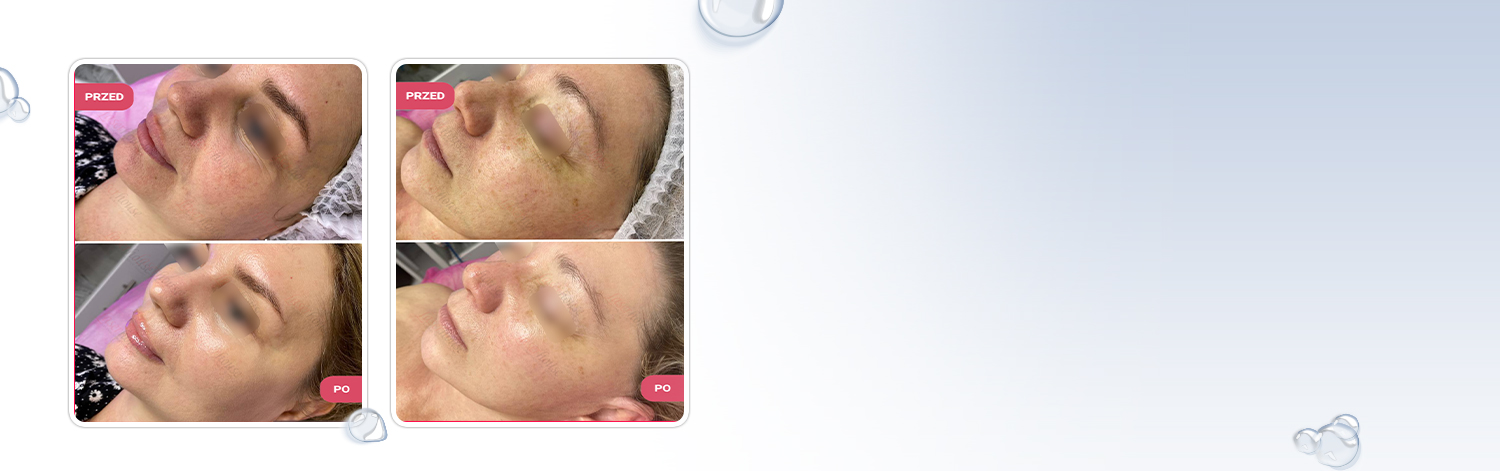
Gentle facial cleansing using hydrogen or vortex systems (HydraFacial and similar) is one of the safest formats. Vacuum exfoliation + simultaneous saturation of the skin with soothing ingredients. Without mechanical pressure and heating of the skin. As a result, you get skin cleansing without irritation and with deep hydration.
Cavitation (Ultrasonic) Peeling
Peeling for sensitive skin in the format of cavitation peeling is one of the most recommended techniques. Ultrasonic waves remove dead cells without mechanical pressure and heating. It does not traumatize living tissues and leaves no noticeable reactions. Ultrasound additionally increases the permeability of the skin to soothing serums applied afterward.
Soothing and Regenerating Procedures
After any cleansing, sensitive skin particularly needs regeneration and high-quality hydration. Procedures for sensitive skin in modern cosmetology almost always include:
- LED therapy (red or yellow light) — reduces inflammation without thermal load.
- A mask with Centella Asiatica — restores the barrier, relieves redness.
- Panthenol and niacinamide — soothe and support the barrier function.
- Gentle cryotherapy — relieves hyperemia and the feeling of heat after the procedure.
How to Prepare Sensitive Skin for the Procedure?
Are you interested in how to choose a treatment for sensitive skin? Let's take a closer look.
Cosmetology Consultation Before Cleansing
Facial cleansing at a cosmetologist's office for sensitive skin never starts directly with the procedure. The first step is a detailed consultation: the type of sensitivity (vascular, allergic, neurosensory, or related to barrier damage), current skin condition, and reaction to previous procedures. Cosmetology for delicate skin is always aimed at an individual approach to each patient.
What to Avoid Before the Procedure?
- Active acids (AHA, BHA) 5–7 days before the procedure.
- Application of retinol 5–7 days before the session.
- Aggressive scrubs a week before the procedure.
- Tanning and solarium 24–48 hours before the procedure.
- Taking photosensitizing drugs (consultation with a doctor is required).
How to Care for the Skin After Cleansing?
Reactive skin care after the procedure is just as important as the procedure itself.
Moisturizing and Restoring the Protective Barrier
Immediately after cleansing, it is recommended to apply a light moisturizing cream or serum with ceramides, hyaluronic acid, or panthenol. You should refrain from using acids, retinol, and any active ingredients for at least 48–72 hours. The skin must be given time to restore its barrier function. Procedures for sensitive skin give the best result when you follow the post-procedure care.
SPF Protection and Avoiding Irritants
After any cleansing, the skin is temporarily more vulnerable to UV rays. According to the recommendation of the American Academy of Dermatology (AAD), SPF 30–50 is mandatory after cosmetic procedures — it significantly reduces the risk of post-inflammatory hyperpigmentation.
If you have sensitive skin, choose mineral filters (zinc oxide, titanium dioxide) — they are less likely to cause an allergic reaction than chemical ones. Avoid direct sun for at least 24–48 hours after the procedure.
Choose a Safe Cleansing Tailored to Your Skin's Needs
Sensitive skin is no reason to give up on cosmetic procedures. The main thing is to correctly assess its condition and choose the care that is right for you. At Laserhouse, every consultation begins with an analysis of skin characteristics, after which the doctor recommends procedures taking into account its sensitivity and individual needs. If you are not sure whether a particular procedure is suitable for you, this can be discussed during the consultation to choose the safest option.

No reviews or questions yet