












Cellulit – dlaczego się pojawia i dlaczego masaż nie zawsze pomaga in Warsaw

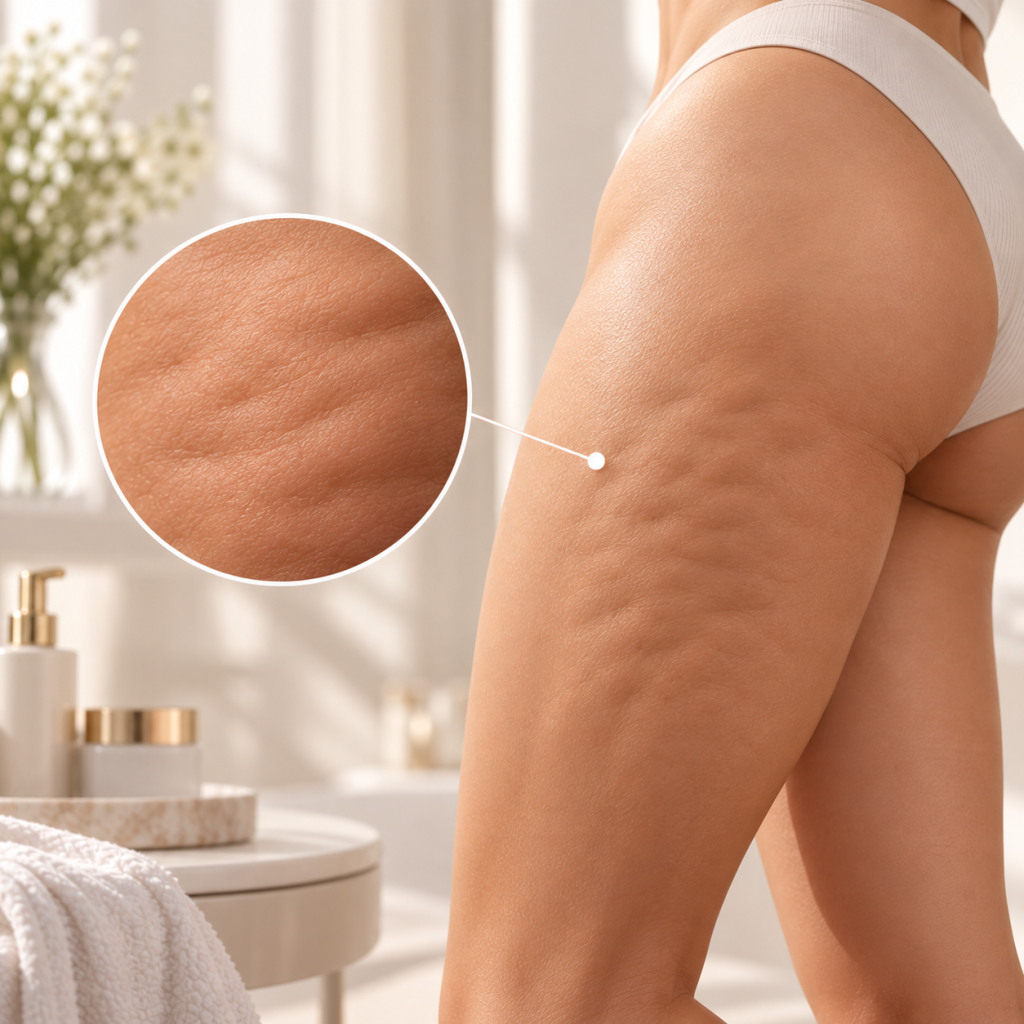
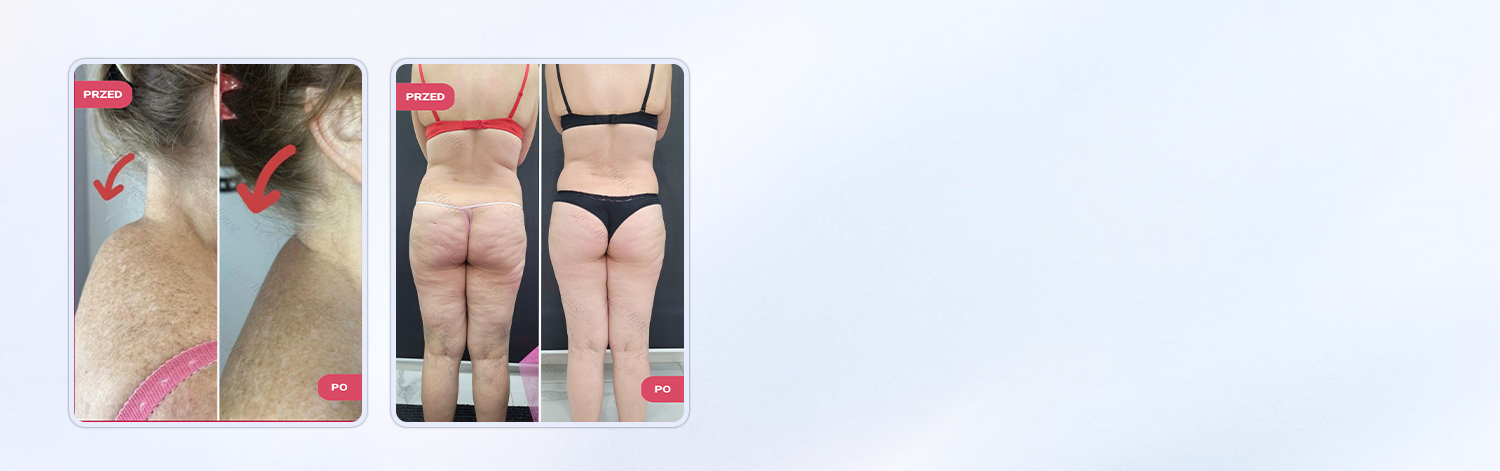
Do you notice uneven skin on your thighs, buttocks, or abdomen, even though you lead a fairly active lifestyle? Many women aged 25–45 face cellulite, even when their weight is within the normal range. It’s not just an "orange peel" look; it’s a structural change in the subcutaneous fat tissue related to microcirculation, lymph, and hormonal balance.
Learn in more detail why cellulite occurs, what types exist, why the effects of a classic anti-cellulite massage provide only a temporary result, and which modern methods actually work.
What is Cellulite and How is It Formed?
What is cellulite? It is not a disease but a special condition of the subcutaneous fat tissue in which fat cells (adipocytes) increase in size, and the connective tissue septa (walls) thicken and pull the skin downward. As a result, the surface of the skin becomes bumpy.
From a physiological point of view, cellulite occurs due to a disruption in blood and lymph microcirculation. Fat cells accumulate toxins and fluid, the connective tissue becomes sclerotic (hardened), and circulation in the capillaries deteriorates. The lymphatic system cannot keep up with removing excess waste, leading to swelling and the characteristic texture.
Why does cellulite occur even in slim women? It lies in the structure of the female subcutaneous tissue: the connective tissue walls are arranged vertically, so when adipocytes enlarge, they easily bulge outward.
The Main Causes of Cellulite Appearance
The causes of cellulite are multifaceted. Most often, it is a combination of several factors that mutually reinforce each other. When discussing the causes of cellulite in women, it is important to understand: it is not one specific problem, but a whole complex of processes in the body.
Key factors include:
- Hormonal fluctuations
- Genetic predisposition
- Sedentary lifestyle
- Dietary habits
- Chronic stress
Cellulite and Hormones
Cellulite and hormones are very closely linked. Estrogens stimulate fat accumulation in the thighs, buttocks, and abdomen, promote fluid retention, and reduce the elasticity of connective tissue. This is why cellulite often manifests during puberty, pregnancy, while taking hormonal contraceptives, or during premenopause.
Cellulite and Lifestyle
The presence of cellulite directly depends on daily habits. Lack of movement, sedentary work, stress, smoking, and insufficient water intake all slow down blood and lymph flow. An excess of salt, simple sugars, and processed foods triggers swelling and fat accumulation. A deficiency in protein and fiber worsens the state of the connective tissue.
Circulation and Lymph
Disrupted blood and lymph circulation is the main cause of stagnation. When tissues receive little oxygen and nutrients, fat cells go into "preservation mode," and toxins accumulate. This creates the ideal conditions for the development of the "orange peel" effect.
Types of Cellulite – Why Everyone Looks Different
Different types of cellulite exist, which explains why one woman's skin might just be slightly uneven, while another’s has prominent dense bumps with painful nodules. Classification helps to understand at what level the changes are occurring and which methods will be most effective in your specific case.
Aqueous and Adipose Cellulite
Aqueous Cellulite
Most common in young women. It is associated with fluid retention, swelling, and disrupted lymph flow. The skin looks soft and puffy, and the "peel" effect intensifies toward the evening or after salty food. It responds well to drainage procedures.
Adipose Cellulite
Characterized by an increase in adipocytes and local fat deposits. It is denser, deeper, and more difficult to correct. It is often combined with being overweight but can also occur with normal body mass.
Fibrous Cellulite
Fibrous cellulite is the most complex and painful form. At this stage, there are already pronounced fibrous thickenings, structural disruptions of the connective tissue, and inflammatory processes. The skin becomes dense, bumpy, and sometimes painful to the touch. Home treatment methods yield almost no results.
Anti-Cellulite Massage – How It Works in Theory
Many women believe that regular massage is a panacea. And in theory, it truly has a number of positive effects.
The effects of anti-cellulite massage are based on mechanical action: kneading the tissues improves local blood circulation, stimulates lymph flow, and promotes the removal of excess fluid and toxins. During the procedure, active warming of the tissues occurs, the production of elastin and collagen is enhanced, and the skin temporarily becomes smoother and firmer.
Properly performed massage helps break up small fat clusters, relieve puffiness, and improve overall skin tone. That is why many notice visible results after the first few sessions.
Why Massage Doesn’t Always Help with Cellulite
Why massage doesn’t eliminate cellulite is a question thousands of women ask themselves.
Many expect that regular massage will completely remove the "orange peel," but in practice, it rarely provides a lasting result. The fact is that classic massage primarily affects the superficial layers of the skin and is unable to resolve the deep structural changes that occur with cellulite. It disperses fluid and improves blood flow for a certain time, but it does not address the true causes of the problem — enlarged fat cells, fibrous septa, and hormonal balance.
Superficial Action of Massage
Ordinary manual massage primarily affects the surface layers of the skin and subcutaneous tissue. It does not reach the deep structures of the fat tissue where the main pathological changes take place.
Lack of Impact on True Causes
Massage does not change hormonal balance, does not reduce the size of adipocytes, and does not restore the structure of connective tissue. Therefore, after a course, the answer to the question "why massage doesn't eliminate cellulite" becomes obvious — the problem returns.
Short-term Effect
The effects of anti-cellulite massage last from a few days to 3–4 weeks. Without support in the form of machine-based (apparatus) procedures, diet, and movement, the result quickly vanishes.
When Massage Can Be Useful
Although massage does not solve the cellulite problem completely, it can be quite effective in certain cases. Anti-cellulite massage works especially well for aqueous (edematous) cellulite, where the main cause is fluid retention and disrupted lymph flow. Regular sessions help remove excess fluid, reduce swelling, and quickly improve the appearance of the skin.
Massage is also excellent for prevention and as part of a comprehensive program. It perfectly complements machine procedures (laser, RF, vacuum), accelerates toxin removal, reduces puffiness, and helps the skin recover faster.
Lymphatic drainage massage is particularly useful for women prone to swelling, those with sedentary jobs, and those undergoing a course of machine procedures who want to prolong their effects.
Modern Effective Methods of Combating Cellulite
Effective methods against cellulite today are fundamentally different from what was available 10–15 years ago. Modern technologies significantly surpass the capabilities of home care, creams, and even intensive anti-cellulite massage. They don’t just work on the skin’s surface but penetrate into the deep layers of the dermis and subcutaneous fat tissue, acting directly on the causes of the problem.
Cellulite procedures used in modern cosmetology include:
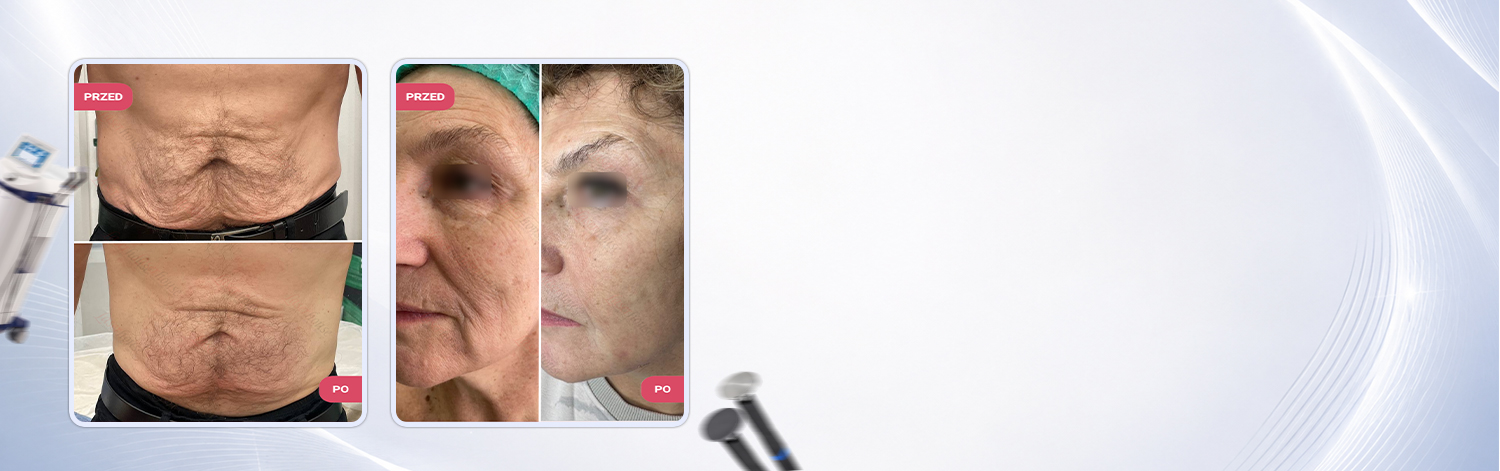
- Laser Technologies — Laser lipolysis (destruction of fat cells) and non-ablative laser rejuvenation, which powerfully stimulates collagen and elastin production;
- Radiofrequency Therapy (RF) — Deep warming of tissues that improves microcirculation, tightens the skin, and reduces the volume of fat deposits;
- Vacuum-Roller Massage with RF — Combines mechanical action with radiofrequency heating for intensive lymphatic drainage and silhouette modeling;
- Ultrasonic Cavitation — Non-surgical destruction of fat cells using ultrasonic waves;
- Mesotherapy, Biorevitalisation, and other injection methods — Delivering active substances (caffeine, L-carnitine, peptides, hyaluronic acid) directly into problem areas.
What Really Helps – A Comprehensive Approach
The best effect is achieved by a combination of:
- Modern machine (apparatus) procedures;
- A balanced diet with sufficient protein and fiber;
- Regular physical activity (strength + cardio);
- Home care (contrast showers, dry brushing, creams with caffeine and retinol).
Only this type of approach affects all links in the pathogenesis of cellulite.
Book a Consultation and Give Your Skin Smoothness!
Don’t waste time on methods that only give a temporary visual effect. Sign up for a detailed diagnosis of your cellulite type, where specialists at the Laserhouse Center will select an individual protocol of modern procedures that will be effective specifically for you.
Book your consultation today — and take the first step toward smooth, firm skin you will be proud of.

No reviews or questions yet